
Education has always been one of the most powerful tools for social and economic development. In India, however, access to quality education remains uneven, especially in rural areas where resources, trained teachers and infrastructure are often limited. The rise of artificial intelligence and digital tools
is beginning to change this reality. Today, AI in rural education in India is emerging as a transformative force that can reshape how students in villages learn and grow.
In the last ten years, technology has become an important part of improving educational opportunities in areas that don’t have enough of them. Students in rural areas can now easily find educational materials that were hard to find before thanks to digital classrooms, smart devices and online learning
platforms..
Organizations working in education reform, including Shyomika Foundation, emphasize that innovative technologies can help create equal learning opportunities for children regardless of their geographical location. By integrating artificial intelligence with digital infrastructure, rural schools can
overcome many long-standing challenges in the education system.
This article explores how AI in rural education in India is shaping the future of learning, improving access to knowledge and helping bridge the educational gap between urban and rural communities.
Understanding AI in Rural Education in India
Artificial intelligence is revolutionizing many sectors worldwide and education is one of the most promising areas for innovation. When applied effectively, AI in rural education in India can help personalize learning, support teachers and improve the overall quality of education in remote areas.
AI-powered systems can look at how students learn, find the parts they have trouble with, and suggest learning materials that are tailored to them. With this personalised approach, students can move forward at their own pace while getting help that is specific to their needs..
At the same time, the role of technology in rural education continues to expand. Digital platforms enable students to access textbooks, video lessons and interactive content from anywhere.
Educational initiatives supported by organizations like Shyomika Foundation focus on creating digital learning environments that empower students and teachers in rural communities.
Digital Education in Rural India
Expanding Access Through Digital Learning Platforms
The growth of digital education in rural India has significantly improved access to learning resources in villages and remote regions. With internet connectivity becoming more widespread, students are now able to explore educational content beyond the traditional classroom.
Digital platforms offer several advantages:
- Access to high-quality learning materials
- Interactive video lessons and tutorials
- Online assessments and feedback systems
- Remote learning opportunities
These tools are especially useful in places where schools may not have enough qualified teachers or materials for learning.
By using AI-powered systems and digital learning platforms together, teachers can make the learning environment for rural students more welcoming and effective.
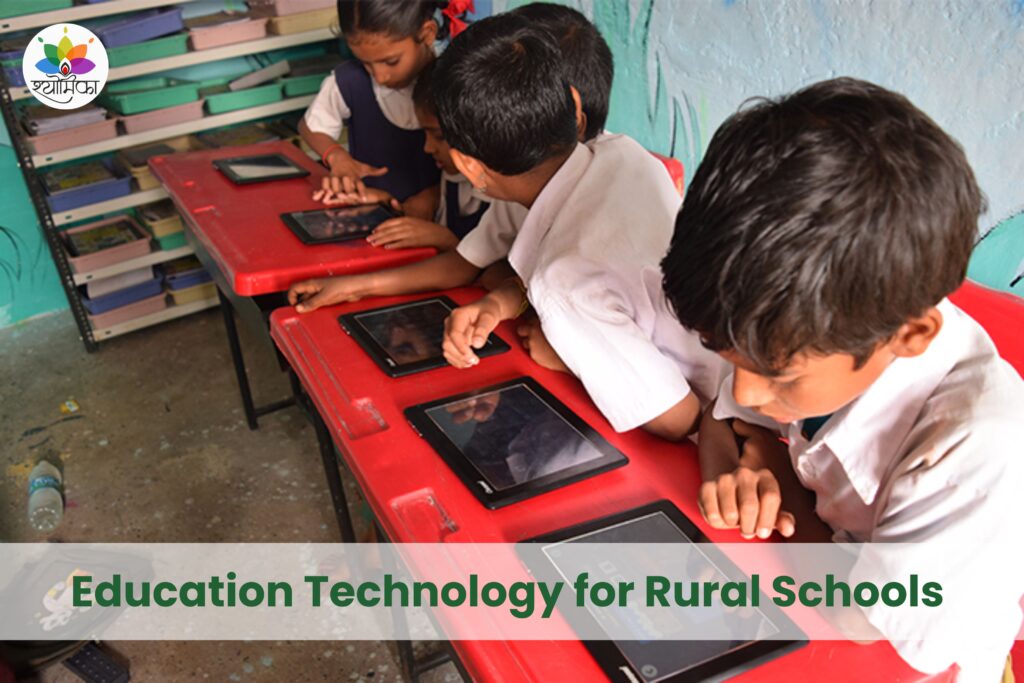
Education Technology for Rural Schools
Enhancing Classroom Learning with Smart Tools
Modern education technology for rural schools is helping transform traditional classrooms into dynamic learning environments.
Smart boards, tablets and AI-powered educational apps are making it easier for teachers to deliver engaging lessons and monitor student progress.
Benefits of technology-enabled classrooms include:
Interactive Learning
Students can take part in fun activities, quizzes and visual demonstrations that make learning more interesting.
Teacher Support
Technology tools assist teachers by providing ready-made lesson plans and digital teaching materials.
Real-Time Feedback
AI systems can track student performance and provide instant feedback, helping teachers identify areas where students need additional support.
Organizations such as Shyomika Foundation work toward equipping rural schools with digital tools that support both teachers and students in achieving better learning outcomes.
Bridging the Education Gap in Rural India
How AI Can Improve Educational Equity
In India’s education system, one of the biggest problems is that there are big differences in learning opportunities between cities and rural areas. Many schools in rural areas don’t have enough infrastructure, trained teachers or access to advanced educational resources.
AI technologies are playing a crucial role in bridging the education gap in rural India by providing innovative solutions that reach underserved communities.
Examples include
- AI-driven tutoring platforms
- Adaptive learning software
- Remote teacher training programs
- Digital libraries accessible through mobile devices
These technologies ensure that students in rural areas receive the same quality of education as those in urban schools. Through initiatives and educational programs, organizations like Shyomika Foundation aim to make advanced learning tools accessible to rural students across India.
Digital Transformation in Rural Education
Creating Smarter Learning Ecosystems
The digital transformation in rural education is creating new opportunities for
students to develop essential skills for the modern world.
Digital ecosystems in education involve integrating various technologies such as:
- Online learning platforms
- Artificial intelligence tools
- Virtual classrooms
- Mobile-based educational apps
These systems enable students to access learning materials anytime and anywhere.
The integration of AI also allows educators to identify learning patterns and tailor educational content to suit individual student needs.
This transformation is helping rural students become more confident, independent learners who are better prepared for future careers.
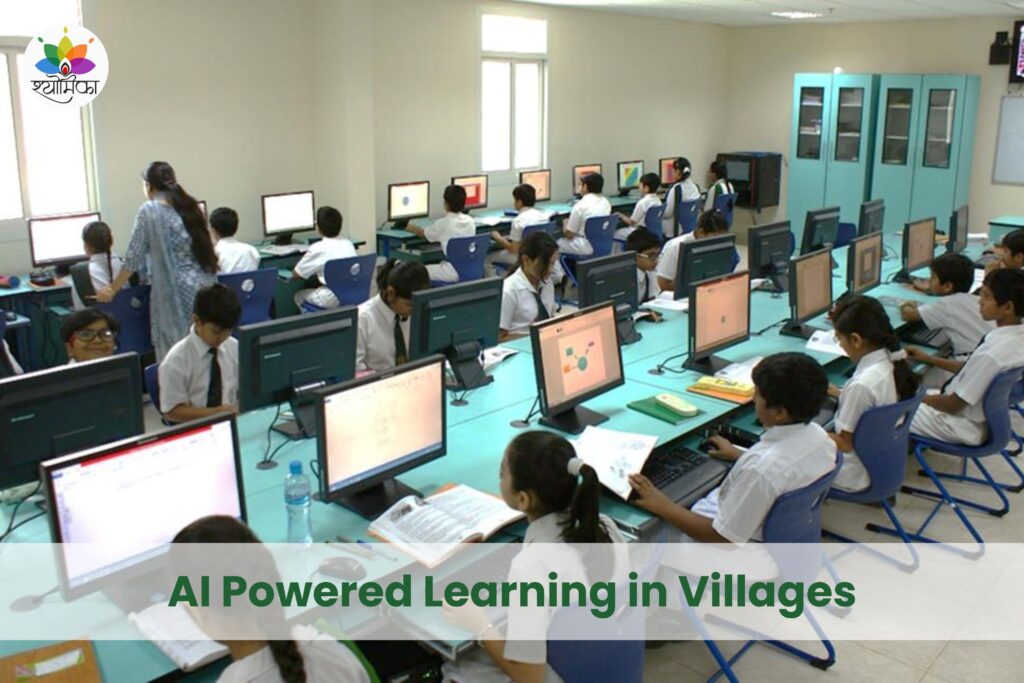
AI Powered Learning in Villages
Personalized Education Through Artificial Intelligence
One of the most exciting developments in AI in rural education in India is the emergence of AI powered learning in villages.
AI-powered educational platforms analyze student behavior and performanceto provide personalized learning recommendations. These systems adapt lessons based on each student’s strengths and weaknesses.
Key benefits include:
- Customized learning paths
- Improved student engagement
- Early identification of learning difficulties
- More efficient classroom management
These innovations allow students to receive individualized support, even in classrooms with limited teaching staff.
AI in Education India
Preparing Students for the Future
The integration of AI in education India is not only improving how students learn but also preparing them for the future job market. Technology-driven education encourages students to develop skills such as:
- Critical thinking
- Problem solving
- Digital literacy
- Analytical reasoning
These skills are essential for success in a rapidly evolving global economy.
Programs supported by Shyomika Foundation aim to empower rural students with the knowledge and technological skills needed to thrive in modern society.
The Future of Education Technology
Transforming Learning Opportunities for Rural Students
The future of education technology holds immense potential for improving educational outcomes in rural areas.
Emerging technologies such as artificial intelligence, augmented reality and advanced digital platforms are expected to revolutionize how education is delivered.
Key developments may include:
- AI-driven virtual tutors
- Immersive learning experiences through virtual reality
- Data-driven educational planning
- Advanced digital collaboration tools
These innovations will make learning more accessible, interactive and effective
for students in remote communities.
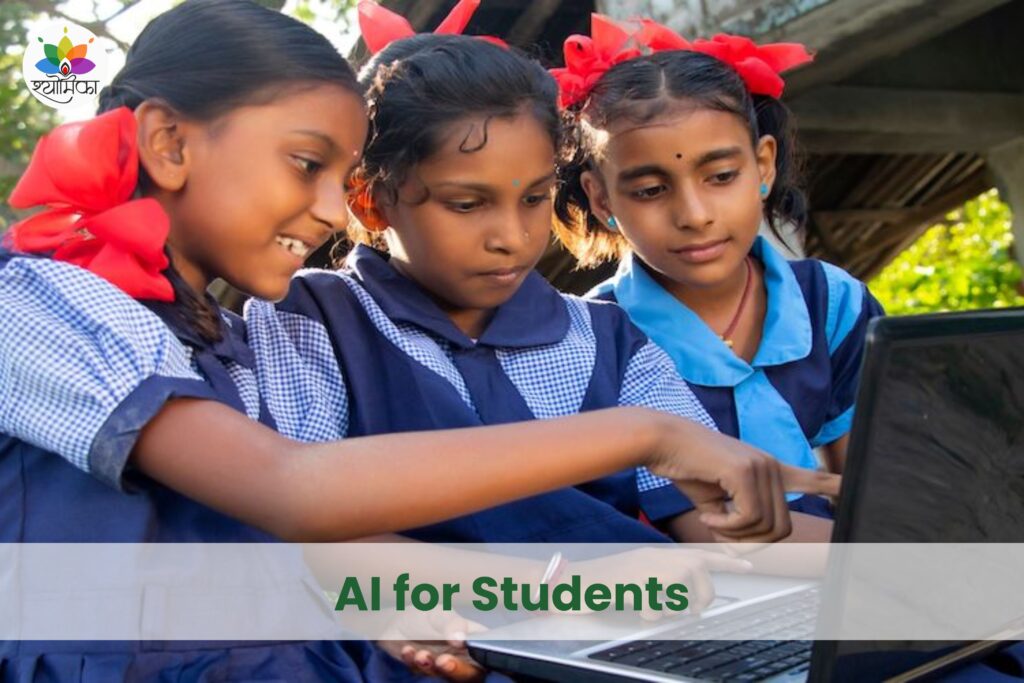
AI for Students
Empowering Young Learners Through Technology
The use of AI for students offers several benefits that support both academic success and personal development.
AI-based learning platforms can:
- Provide personalized study plans
- Offer instant feedback on assignments
- Help students explore new subjects
- Encourage independent learning
By integrating these technologies into rural education systems, students gain access to tools that help them achieve their full potential.
Educational initiatives led by organizations like Shyomika Foundation are working to ensure that these opportunities reach children in rural communities across India.
Frequently Asked Questions (FAQs)
1.What is AI in rural education in India?
AI in rural education refers to the use of artificial intelligence technologies to
improve learning experiences, teaching methods and educational access in rural
schools.
2.How does digital education help rural students?
Digital education provides access to online learning materials, interactive
lessons and educational resources that may not be available in traditional
classrooms.
3.Can AI help reduce the education gap between urban and rural areas?
Yes. AI technologies enable personalized learning, remote teaching and digital
access to educational resources, helping rural students receive quality
education.
4.What technologies are used in rural schools today?
Technologies include smart classrooms, tablets, online learning platforms and
AI-powered educational software.
5.What role do organizations play in improving rural education?
Organizations such as Shyomika Foundation support initiatives that provide
digital infrastructure, educational resources and technology-driven learning
opportunities.
6.What is the future of AI in education?
AI is expected to make education more personalized, accessible and efficient by
providing intelligent learning systems and advanced digital teaching tools.
Conclusion
Education is the foundation of social progress and ensuring equal learning opportunities for all students is essential for national development. The integration of AI in rural education in India offers a promising solution to many challenges faced by rural schools. By combining artificial intelligence with digital infrastructure, rural education systems can deliver personalized learning experiences, support teachers and
expand access to quality educational resources. Organizations like Shyomika Foundation are helping drive this transformation by supporting initiatives that bring technology and innovation to rural
classrooms. As digital tools continue to evolve, the future of rural education in India will become more inclusive, empowering millions of students to learn, grow and contribute to the nation’s development.
