Rural Education
SHYOMIKAFOUNDATION

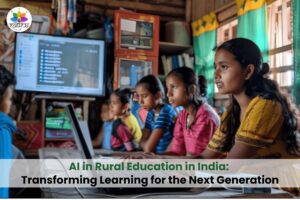
AI in Rural Education in India:TransformingLearning for the Next Generation

Education has always been one of the most powerful tools for social and economic development. In India, however, access to quality education remains uneven, especially in rural areas where resources, trained teachers and infrastructure are often limited. The rise of artificial intelligence and digital toolsis beginning to change this reality. Today, AI in rural education in India is emerging as
Read More »
Digital Literacy Rural India
SHYOMIKAFOUNDATION

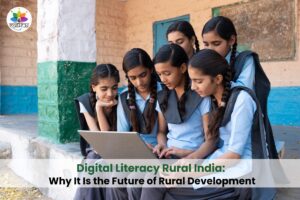
Digital Literacy Rural India: Why It Is theFuture of Rural Development

India is going through a quick change to digital. Digital platforms, smartphones and internet access are changing the way people talk to each other, learn and work. Cities have quickly adapted to these new technologies, but rural areas still have trouble getting to and using digital tools well. This is where digital literacy in rural India becomes very important. Digital

Read More »
SHYOMIKAFOUNDATION

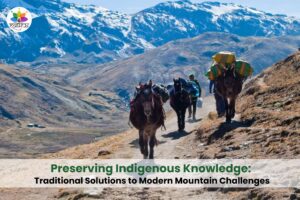
Preserving Indigenous Knowledge: Traditional Solutions to Modern Mountain Challenges

Mountains are living ecosystems shaped not only by glaciers and rivers but by generations ofhuman interaction. The Himalayan region, in particular, represents a powerful intersection of culture, biodiversity and resilience. Yet today, these landscapes face unprecedented challenges — climate instability, migration, unsustainable development and ecological degradation. While modern systems often rely on technological fixes, the mountains have long relied on

Read More »
Migration from the Hills
SHYOMIKAFOUNDATION

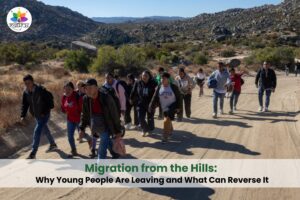
Migration from the Hills: Why Young People Are Leaving and What Can Reverse It

Across many hill regions, a quiet but deeply impactful shift is taking place. Villages that once thrived with active communities are slowly losing their younger populations. Homes remain locked for most of the year, schools see declining enrollment and agricultural fields are left unattended. This ongoing pattern of migration from the hills is not rooted in a lack of belonging,

Read More »
Protecting Sacred Rivers
SHYOMIKAFOUNDATION

Protecting Sacred Rivers: Youth Movements and Community Action in the Himalayas

Rivers originating in the Himalayas are far more than natural water sources. They are sacred lifelines that sustain ecosystems, cultures and livelihoods across India. For centuries, these rivers have been worshipped, protected and woven into spiritual practices that emphasized harmony between humans and nature. Today, however, rapid environmental change threatens this balance. The responsibility of protecting sacred rivers in the

Read More »
SHYOMIKAFOUNDATION

Sustainable Tourism: Balancing Visitor Experiences with Natural Preservation in theMountains

Mountain regions have always drawn travelers with their dramatic landscapes, rich biodiversity and cultural heritage. From snow-capped peaks to remote villages, these environments offer experiences that are both inspiring and transformative. However, as tourism grows, so do its impacts—on fragile ecosystems, local communities and natural resources. This reality has brought sustainable mountain tourism to the forefront of global conversations about

Read More »
CLIMATE CHANGE
SHYOMIKAFOUNDATION

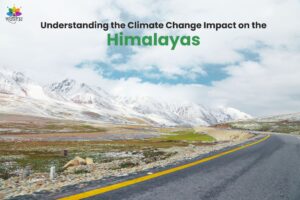
How Climate Change Is Reshaping the Himalayas -ice draught

The Himalayas, often called the “Third Pole,” store the largest reserves of ice and freshwater outside the Arctic and Antarctic. These mountains regulate weather patterns, feed major rivers, and support nearly two billion people across Asia. However, the climate change impact on the Himalayas is unfolding faster than in many other regions of the world. Rising temperatures, unpredictable snowfall, shrinking

Read More »
Culture in Social Progress
SHYOMIKAFOUNDATION

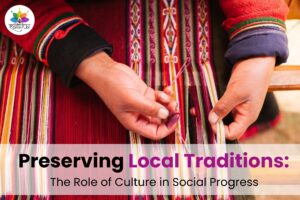
Preserving Local Traditions: The Role of Culture in Social Progress

Culture in Social Progress Preserving local traditions has always played a major role in shaping the identity and strengthof communities. These cultural practices, whether expressed through art, stories, values, orcelebrations, help societies remain connected to their roots while moving forward. Today, asmodernization and digital lifestyles change how people interact, the importance ofpreserving local traditions becomes even more meaningful. These traditions

Read More »
Coexisting with Our Local Wildlife
SHYOMIKAFOUNDATION

Earth Is Their Home Too: Coexisting with Our Local Wildlife

Local Wildlife plays a crucial role in maintaining nature’s balance, yet many species struggle as cities grow, forests shrink, and human activities expand. As communities aim to live more sustainably, understanding how to coexist with the creatures around us becomes more important than ever. This guide explores how every individual can help protect nature’s delicate harmony and create a safer

Read More »
Preserving Our Planet
SHYOMIKAFOUNDATION

The Critical Need for Preserving Our Planet: Practical Steps You Can Start Today

Preserving our planet is no longer a choice — it’s a responsibility we all share. The urgency grows each year as climate change intensifies, pollution spreads and natural resources shrink. The Importance of Preserving Our Planet: Practical Steps Anyone Can Take lies inunderstanding that even the smallest actions can create meaningful change. When millions of people participate in sustainable habits,

Read More »
Scroll to Top