
Technology is quickly changing the ways people learn, talk to each other, and build careers. It is becoming more and more important for young people in villages and small towns to be able to use modern technology. Teaching rural students digital skills for rural students can help them get into schools, come up with new ideas and find jobs that were once hard to get.
In many rural regions, students still face challenges such as limited internet connectivity, lack of digital devices and fewer opportunities to learn technology skills. Improving digital literacy in rural areas is therefore essential to ensure that rural students can participate in the digital economy and compete globally.
Learning digital tools not only helps students succeed academically but also prepares them for modern workplaces that rely heavily on technology. From online communication to coding and data analysis, these abilities are now considered essential life skills.
SHYOMIKA FOUNDATION and other groups that work to improve education and society are working hard to promote digital education for rural youth by offering training programs, raising awareness about technology and providing educational support. Their goal is to give rural students the skills and confidence they need to do well in a world that relies on technology.
In this guide, we explore the most important digital abilities that rural students should learn to prepare for future careers and opportunities.
Why Digital Skills Are Important for Rural Students
Technology is becoming a core part of education and professional life. Students who understand how to use digital tools can access global knowledge, collaborate with others and develop valuable career skills.
Bridging the Digital Divide in Rural India
One of the biggest challenges in education today is bridging the digital divide in rural India. Many rural communities lack proper digital infrastructure, making it difficult for students to access online learning resources.
When students gain access to technology and digital training, they can:
- Explore online education platforms
- Access digital libraries and research tools
- Learn new skills through virtual training
- Connect with mentors and educators worldwide
Closing this digital gap ensures that rural students receive equal learning opportunities.
Technology Skills for Rural Youth and Career Opportunities
Teaching rural teens how to use technology is important for getting them ready for jobs in the modern world. People who can use digital tools with confidence are needed in fields like information technology, digital marketing and online business .
Students who learn digital skills early can build careers in various fields, including remote jobs, freelancing and technology-based businesses.
Top 10 Digital Skills for Rural Students
Below are the most valuable digital skills for students that can help rural youth succeed in education and future careers.
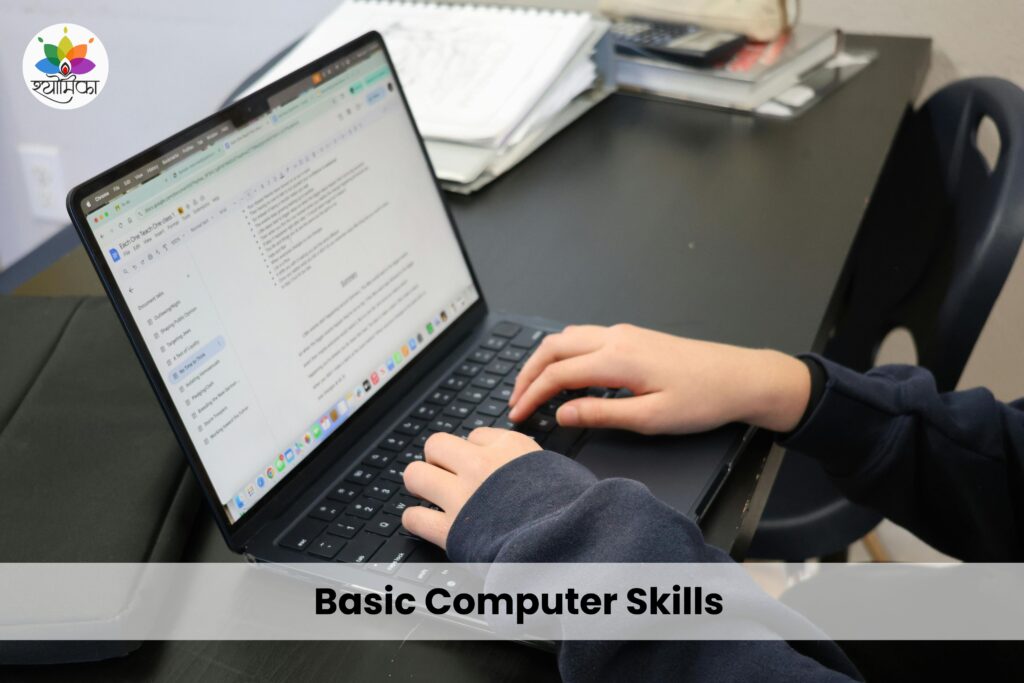
1. Basic Computer Skills
Learning how to use a computer is the foundation of digital education.
Essential Computer Skills
Students should understand:
- Operating systems like Windows or Linux
- Word processing and document creation
- File management and storage
- Presentation tools for school projects
Developing computer skills for rural students helps them perform academic tasks more efficiently and prepares them for future digital learning.
2. Internet and Online Research Skills
The internet is one of the largest sources of knowledge available today.
Benefits of Online Research
Students who know how to search effectively online can:
- Access educational videos and tutorials
- Conduct research for school assignments
- Stay informed about global developments
This skill encourages curiosity and independent learning.
3. Digital Communication Skills
Modern education and workplaces rely heavily on digital communication.
Tools Students Should Learn
Students should practice using:
- Email platforms
- Video conferencing tools
- Online messaging applications
These communication methods help students collaborate with teachers and peers regardless of location.

4. Cybersecurity and Online Safety
While technology offers many benefits, it is important for students to understand digital safety.
Key Cyber Safety Practices
Students should learn:
- Protecting personal information online
- Identifying phishing scams
- Responsible social media use
Understanding online safety helps students navigate the digital world responsibly.
5. Digital Creativity and Content Creation
Digital tools allow students to express their ideas creatively.
Creative Skills to Explore
Students can learn:
- Graphic design basics
- Video editing
- Digital storytelling
These abilities encourage innovation and creativity.
6. Coding and Programming Basics
Programming skills are increasingly valuable in modern industries.
Beginner Programming Languages
Students can start learning:
- Scratch for beginners
- HTML for website development
- Python basics
Coding improves logical thinking and problem-solving abilities.
7. Data Literacy and Analytical Skills
Understanding data is becoming an essential skill in many careers.
Data Skills Students Should Develop
Students should learn:
- Reading charts and graphs
- Using spreadsheet tools
- Understanding basic statistics
These capabilities are part of future skills 2030 that will shape the modern workforce.
8. Digital Collaboration Tools
Teamwork often happens online today.
Examples of Collaboration Tools
Students can learn to use:
- Shared documents
- Cloud storage platforms
- Project collaboration tools
These platforms enable students to work together effectively even from different locations.
9. Online Learning Platforms
Online education provides access to global knowledge.
Benefits of Online Learning
Students can:
- Enroll in skill development courses
- Learn new subjects independently
- Access educational resources anytime
These platforms significantly improve digital skills for youth.
10. Digital Entrepreneurship Skills
Technology also creates opportunities for entrepreneurship.
Digital Business Opportunities
Students can learn to:
- Promote products through social media
- Sell handmade products online
- Offer digital services such as design or content creation
These skills encourage innovation and economic growth in rural communities.
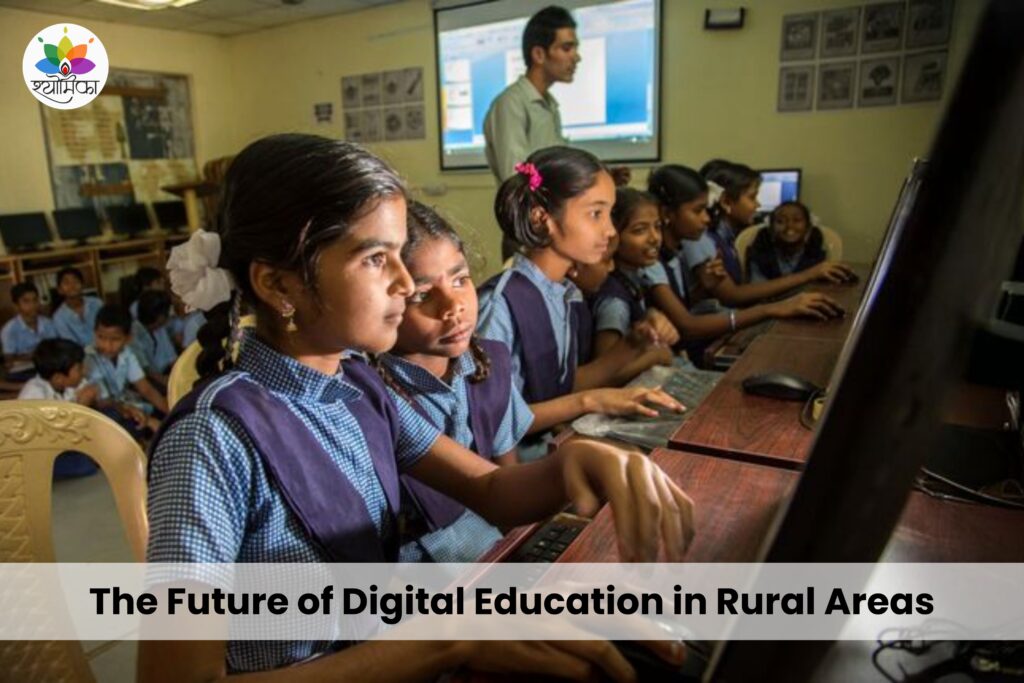
The Future of Digital Education in Rural Areas
Digital learning is becoming an important part of modern education systems. Governments and organizations are investing in digital infrastructure to support rural education.
Initiatives led by organizations like SHYOMIKA FOUNDATION aim to empower students with technology training and digital awareness programs. These initiatives focus on improving digital literacy and providing resources that help students succeed in the digital age.
With improved internet access and technology training, rural students can explore career opportunities that were previously unavailable.
How Communities Can Support Digital Learning
Schools Providing Digital Infrastructure
Schools should provide computer labs, internet access and digital classrooms.
Teacher Training Programs
Teachers must be trained to use digital tools effectively so they can guide students in modern learning methods.
Community Awareness and Support
Parents and community leaders should encourage students to explore digital learning opportunities and participate in technology training programs.
Frequently Asked Questions
1. Why are digital skills important for rural students?
Digital skills allow rural students to access modern education resources, improve career opportunities and participate in the global digital economy.
2. What are the most important digital skills students should learn?
Basic computer knowledge, internet research, communication tools, coding basics and cybersecurity awareness are essential digital skills.
3. How can rural students learn digital skills?
Students can learn through school computer programs, online courses, digital training workshops and community education initiatives.
4. What challenges do rural students face in digital education?
Limited internet access, lack of devices and insufficient technical training are common barriers.
5. How can organizations support rural digital education?
Organizations can provide technology resources, training programs and mentorship opportunities.
6. What are future skills students should learn by 2030?
Skills such as coding, digital communication, data literacy and problem-solving using technology will become increasingly valuable.
Conclusion
For rural students to have the same chances in school and work, they need to learn digital skills. Technology can change rural communities by making it easier for people to learn, come up with new ideas and find jobs.
Rural students can learn the skills they need to do well in the future workforce by improving their digital literacy, teaching them how to use modern technology and encouraging them to be creative with technology.SHYOMIKA FOUNDATION is backing projects that give rural youth digital skills and knowledge, making them confident, skilled learners who are ready to join the digital economy.
