
The Himalayas are sometimes referred to as the “Third Pole” as they hold one of the largest freshwater stores on earth outside of the Arctic and Antarctic. These majestic mountains span countries and support millions of people and are among the most ecologically important landscapes on Earth. But this fragile region is changing at an alarming rate as global temperatures increase, weather patterns change and environmental pressures mount. Climate Change in the Himalayas is not a concern of the future. It is a reality of the present for ecosystems, wildlife, water resources and human livelihoods.
The consequences extend far beyond the mountain ranges themselves. Rivers originating in the Himalayas provide water to nearly two billion people across Asia. Changes occurring in these high-altitude environments have direct implications for agriculture, biodiversity, disaster risk and economic stability throughout the region.
At the Shyomika Foundation, we believe that awareness, education and community-driven action are essential to protecting the Himalayan region. Understanding how climate change is reshaping this unique environment is the first step toward building sustainable solutions for future generations.
Understanding the Himalayan Ecosystem
Why the Himalayas Matter Globally
The Himalayan Ecosystem is one of the most diverse and ecologically sensitive ecosystem of the world. It has snow-capped mountains, alpine meadows, dense forests, wetlands, rivers and unique wildlife habitats. This huge natural network plays a key role in regulating climate, storing freshwater and supporting biodiversity.
Beyond its ecological significance, the Himalayan region provides essential ecosystem services to millions of people. Agriculture, tourism, hydropower generation and traditional livelihoods all depend on the health and stability of mountain environments.
A Fragile Environmental Balance
The Himalayas are inherently vulnerable due to their steep terrain, diverse climate zones and complex ecological relationships. Even slight variations in temperature and precipitation can have major impacts all over the region.
And as climate-related pressures increase, it’s becoming more difficult to maintain this delicate balance.
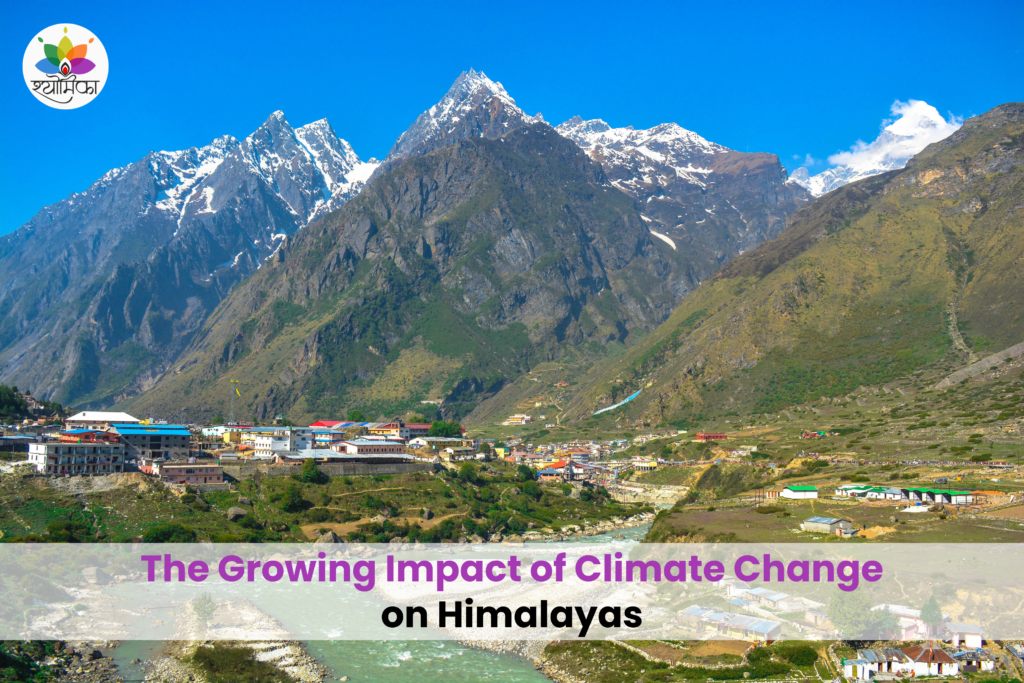
The Growing Impact of Climate Change on Himalayas
Rising Temperatures Across Mountain Regions
The Impact of Climate Change on Himalayas is becoming increasingly visible through rising temperatures. Scientific observations show that many Himalayan areas are warming faster than global averages.
Such rises in temperature affect snow cover, seasonal rainfall patterns, vegetation zones, and water availability. The result is that ecosystems that have developed over time in stable climatic conditions must now adapt quickly.
Changing Weather Patterns
Climate change is also altering precipitation patterns across the region. Some areas are experiencing heavier rainfall events, while others face prolonged dry periods. These changes increase the risk of floods, landslides, droughts and agricultural disruptions.
Communities that depend on predictable seasonal weather are finding it increasingly difficult to plan farming activities and manage natural resources effectively.
Himalayan Glaciers Melting at an Alarming Rate
Why Glaciers Are Important
One of the most visible effects of Himalayan Glaciers Melting is the rapid reduction of ice reserves that serve as critical freshwater sources.
Glaciers function as natural water storage systems, releasing meltwater gradually throughout the year. This process supports rivers that sustain millions of people downstream.
Consequences of Glacier Retreat
River flows may increase in the short term as glaciers melt and retreat. But the long-term availability of water is growing more uncertain.
The continued loss of glacial ice can lead to:
- Scarcity of water
- Increased risk of flooding
- Outburst floods from glacial lakes
- Reduced agricultural productivity
- Increased competition for water resources
The effects are not just on mountain communities, but on entire river basins across Asia.
Effects on Himalayan Biodiversity
Threats to Wildlife Habitats
The Himalayan Biodiversity hotspot is home to thousands of plant and animal species, many of which are found nowhere else on Earth.
As temperatures rise, habitats are shifting to higher elevations. Species adapted to cold environments often have limited options for migration, increasing the risk of population declines and extinction.
Changes in Ecosystem Dynamics
Climate-related disruptions affect more than individual species. Entire ecological relationships are being altered.
Changes in flowering seasons, migration patterns and food availability can create imbalances throughout ecosystems. These disruptions may weaken the resilience of natural systems and reduce their ability to recover from environmental stress.
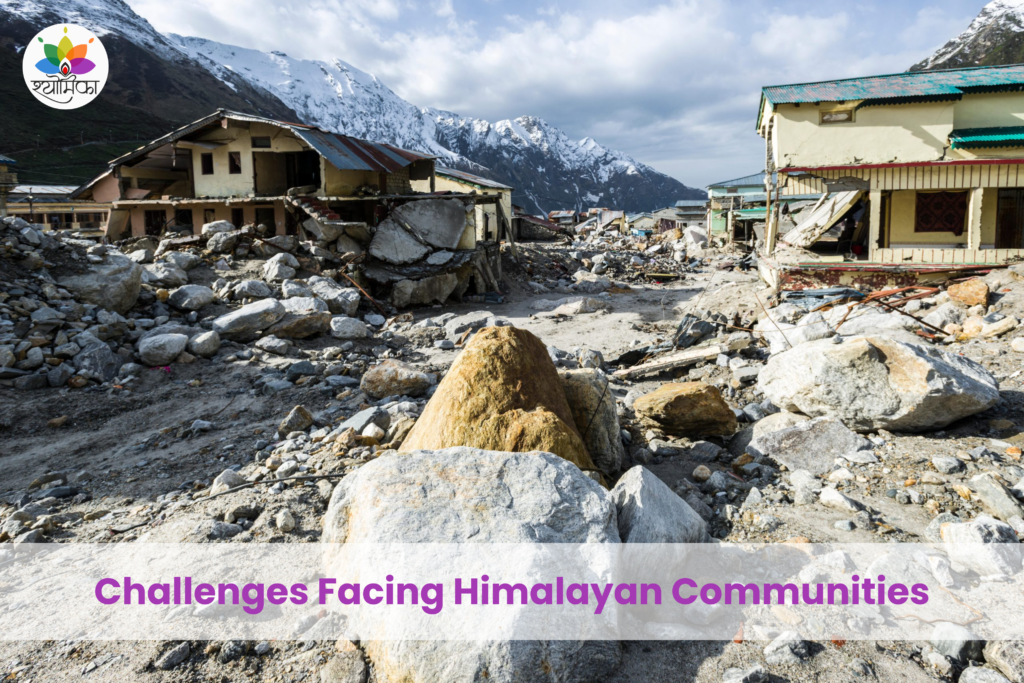
Challenges Facing Himalayan Communities
Dependence on Natural Resources
Many Himalayan Communities rely directly on forests, rivers, agriculture and livestock for their livelihoods. Climate change threatens these resources by altering environmental conditions that have supported traditional ways of life for generations.
Farmers, herders and local businesses are increasingly confronting uncertainty regarding water availability and weather patterns.
Economic and Social Impacts
Changing environmental conditions can have far-reaching social consequences.
Communities may face:
- Reduced agricultural yields
- Water insecurity
- Increased migration
- Infrastructure damage
- Greater vulnerability to natural disasters
These challenges place additional pressure on already fragile mountain economies.
Water Security and Climate Change
Rivers Originating from the Himalayas
Nicknamed the “water tower of Asia,” the Himalayas are the source of the continent’s major river systems, supporting billions of people.
River flows and the long-term security of water supplies are directly affected by glacial dynamics and precipitation regimes.
Future Water Challenges
As climate change progresses, water management will become increasingly important.
Regions dependent on Himalayan rivers may experience greater variability in water availability, requiring coordinated planning and adaptation strategies.
Increased Risk of Natural Disasters
Floods and Landslides
One of the most concerning consequences of Climate Change in Himalayas is the growing frequency and intensity of natural disasters.
Heavy rainfall events can trigger landslides, flash floods and infrastructure damage, particularly in vulnerable mountain areas.
Glacial Lake Outburst Floods
As glaciers retreat, meltwater can accumulate behind unstable natural dams.
If these dams fail, sudden floods may devastate downstream communities, agricultural land and transportation networks.
The Role of Himalayan Conservation
Why Conservation Matters
Effective Himalayan Conservation strategies are essential for protecting ecosystems and supporting community resilience.
Conservation efforts help maintain biodiversity, stabilize landscapes and preserve natural resources that are critical for long-term sustainability.
Community-Based Conservation Approaches
Often, successful conservation relies on the cooperation of local communities, governments, researchers and non-profit organizations.
Local knowledge can be important in identifying practical, culturally appropriate solutions.
Sustainable Himalayan Development
Balancing Growth and Environmental Protection
Achieving Sustainable Himalayan Development requires balancing economic opportunities with environmental stewardship.
Development initiatives should consider long-term ecological impacts while supporting local livelihoods and social well-being.
Promoting Climate Resilience
Investments in sustainable infrastructure, renewable energy, ecosystem restoration and climate adaptation can help strengthen resilience across mountain regions.
These approaches contribute to both environmental protection and community prosperity.
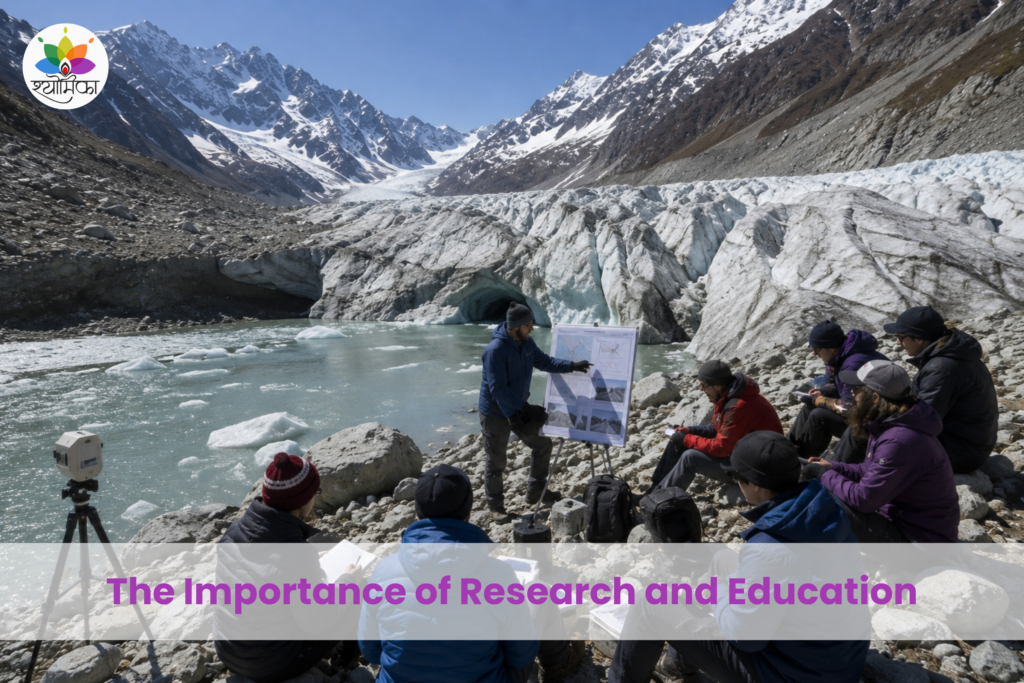
The Importance of Research and Education
Understanding Environmental Change
Scientific research plays a crucial role in understanding how climate change affects mountain ecosystems and communities.
Monitoring glaciers, biodiversity and weather patterns helps inform policy decisions and conservation strategies.
Raising Public Awareness
Education empowers individuals and communities to participate in climate solutions.
At the Shyomika Foundation, we believe that informed citizens are essential partners in protecting the Himalayan environment for future generations.
What Individuals Can Do to Help
Supporting Sustainable Practices
Climate change is a global challenge but individual action can make a difference.
This means opting for sustainable products, reducing waste, conserving resources and supporting environmental initiatives.
Engaging with Conservation Efforts
People can support Himalayan protection through responsible tourism, environmental education, and participation in conservation programs.
Collective action remains one of the most powerful tools for addressing climate challenges.
Frequently Asked Questions (FAQs)
Q1: Why are the Himalayas important for climate regulation?
The Himalayas influence regional weather systems, store freshwater and support diverse ecosystems that contribute to climate stability.
Q2: How is climate change affecting Himalayan glaciers?
Rising temperatures are accelerating glacier retreat, reducing long-term ice reserves and affecting water availability.
Q3: What risks do melting glaciers create?
Melting glaciers can increase flood risks, contribute to glacial lake outburst floods and threaten future water security.
Q4: How does climate change impact wildlife in the Himalayas?
Changing temperatures and habitats force species to adapt, migrate or face increased extinction risks.
Q5: Why are mountain communities vulnerable to climate change?
Many communities depend directly on natural resources and are highly exposed to environmental changes and natural disasters.
Q6: What is sustainable Himalayan development?
It refers to development approaches that balance economic growth, environmental protection and community well-being.
Q7: How can people support Himalayan conservation?
Supporting conservation organizations, practicing responsible tourism and promoting environmental awareness are effective ways to contribute.
Conclusion
One of the most serious environmental challenges facing the Himalayas today is Climate Change in the Himalayas. Immediate and far-reaching consequences include glacier retreat, biodiversity loss, increased risks of disasters and pressures on local livelihoods. To ensure the health of this crucial mountain system, cooperation among governments, researchers, communities and organizations dedicated to sustainability will be essential.
At the Shyomika Foundation, we believe that meaningful change begins with awareness and collective action. By supporting conservation efforts, promoting sustainable development and empowering local communities, we can help preserve the Himalayan ecosystem and ensure that future generations continue to benefit from its extraordinary natural and cultural heritage.
