
As climate concerns rise around the world, people are becoming more aware of the importance of making sustainable choices. Sustainable living is no longer a trend by 2026, it is a lifestyle change that is necessary to protect the environment and ensure a healthier future for generations to come.
Understanding sustainable living in 2026 means learning how small daily actions can create meaningful environmental impact over time. From reducing waste to choosing mindful consumption habits, individuals now play a crucial role in supporting global climate action.
At Shyomika Foundation, awareness-driven educational initiatives encourage communities to adopt healthier, more responsible and environmentally conscious lifestyles. This guide explores practical habits, eco-friendly trends and realistic ways people can contribute to a greener future.
Why Sustainable Living Matters More Than Ever
Environmental challenges such as climate change, pollution and excessive waste continue affecting ecosystems, public health and natural resources.
Unsustainable practices contribute to:
- Air pollution
- Water scarcity
- Plastic waste
- Deforestation
- Rising global temperatures
Making environmentally responsible choices helps reduce long-term damage while improving community well-being.
The Global Shift Toward Sustainability
Governments, businesses and communities are increasingly prioritizing sustainability initiatives.
This shift includes:
- Renewable energy adoption
- Waste reduction campaigns
- Sustainable transportation
- Eco-conscious manufacturing
- Climate awareness education
Modern consumers also prefer brands and organizations that support ethical and environmentally responsible practices.
Sustainable Lifestyle Trends in 2026
Several important sustainable lifestyle trends in 2026 are influencing how people live, shop, travel and consume resources.
Such trends have prompted more aware and sustainable behaviours.
Minimalism and Conscious Consumption
Many individuals are moving away from excessive consumerism and focusing on quality over quantity.
Minimalist living often includes:
- Buying fewer unnecessary items
- Choosing durable products
- Supporting ethical brands
- Reducing clutter
This approach supports environmental sustainability while promoting financial and emotional well-being.
Rise of Local and Eco-Friendly Products
Consumers are increasingly supporting:
- Local farmers
- Organic products
- Reusable packaging
- Sustainable fashion
- Eco-conscious businesses
These choices help reduce transportation emissions and encourage responsible production systems.
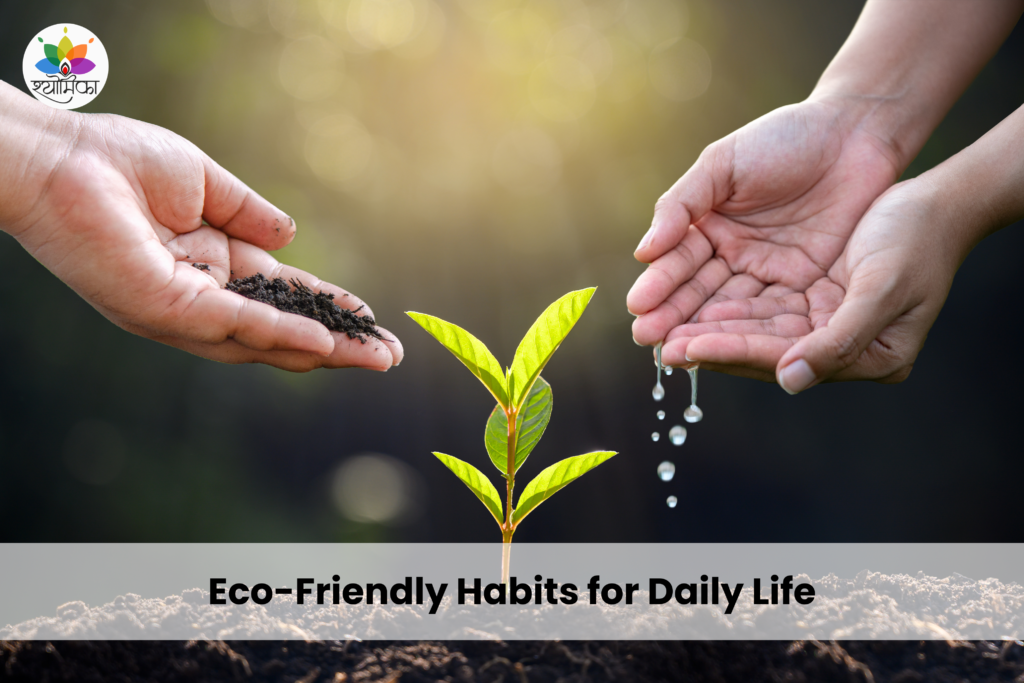
Eco-Friendly Habits for Daily Life
Adopting eco-friendly habits for daily life does not always require major lifestyle changes. Small actions practiced consistently can significantly reduce environmental impact.
Sustainable Daily Habits That Make a Difference
Simple sustainable daily habits include:
- Carrying reusable bags
- Turning off unused lights
- Conserving water
- Recycling responsibly
- Avoiding single-use plastics
These habits become more effective when practiced regularly over time.
Eco Friendly Lifestyle Habits at Home
Households can become more sustainable by:
- Using energy-efficient appliances
- Composting food waste
- Reducing water wastage
- Switching to LED lighting
- Choosing natural cleaning products
Small household improvements can lower both environmental impact and utility costs.
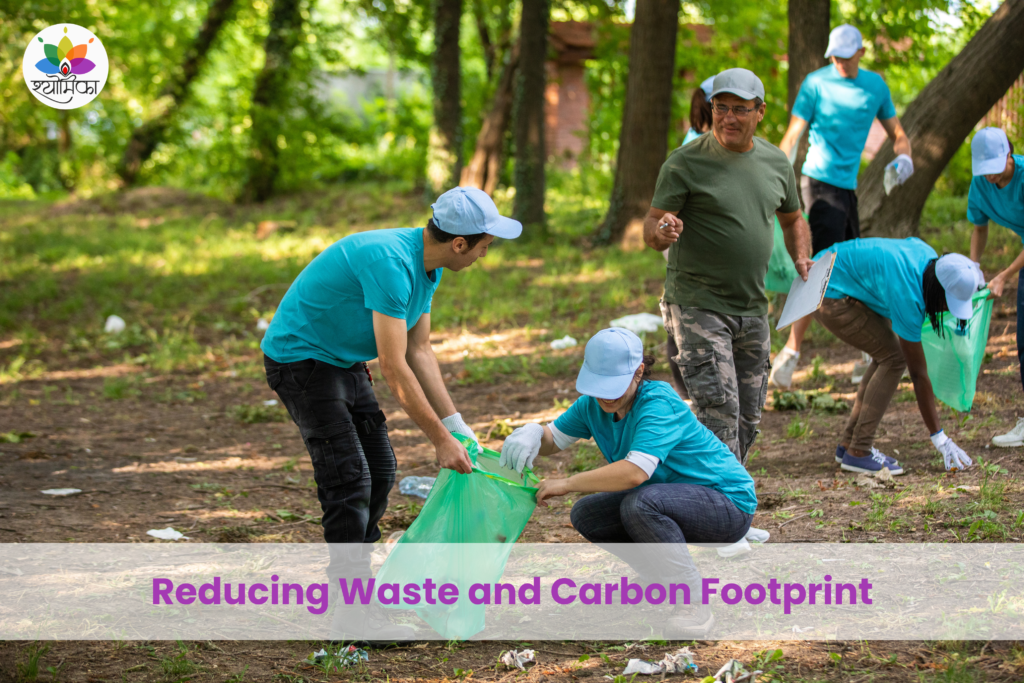
Reducing Waste and Carbon Footprint
One of the biggest goals of sustainability is reducing waste and carbon footprint across personal and community lifestyles.
Waste management and energy conservation directly influence climate health.
Simple Ways to Reduce Carbon Footprint
Practical simple ways to reduce carbon footprint include:
- Walking or cycling when possible
- Using public transportation
- Eating locally sourced food
- Reducing electricity consumption
- Avoiding unnecessary air travel
These actions help reduce greenhouse gas emissions and improve environmental balance.
Managing Household Waste Responsibly
Proper waste management means:
• Recycling properly
• Waste not food
• Reuse of containers
• Donating items which are not used anymore
Landfills are a major source of pollution so reducing waste is becoming more and more important.
Mindful Consumption and Green Living
Practicing mindful consumption and green living encourages people to think carefully about their purchasing decisions and environmental impact.
Mindful living focuses on necessity, sustainability and long-term responsibility.
Why Conscious Shopping Matters
Every purchase affects:
- Resource consumption
- Manufacturing waste
- Packaging pollution
- Transportation emissions
Consumers can support sustainability by buying products with:
- Minimal packaging
- Ethical sourcing
- Recyclable materials
- Longer durability
Responsible shopping supports both environmental and economic sustainability.
Sustainable Food Choices
Food production significantly affects the environment.
Helpful practices include:
- Reducing food waste
- Supporting local produce
- Eating seasonal foods
- Limiting excessive processed food consumption
Mindful eating habits can contribute positively to both personal health and environmental protection.
How Individuals Can Contribute to Climate Action
Many people wonder how individuals can contribute to climate action in meaningful ways.
The reality is that collective small actions create powerful long-term change.
Community Participation and Awareness
People can contribute by:
- Joining environmental campaigns
- Participating in clean-up drives
- Educating others about sustainability
- Supporting environmental organizations
Community-driven action often creates stronger environmental awareness and social responsibility.
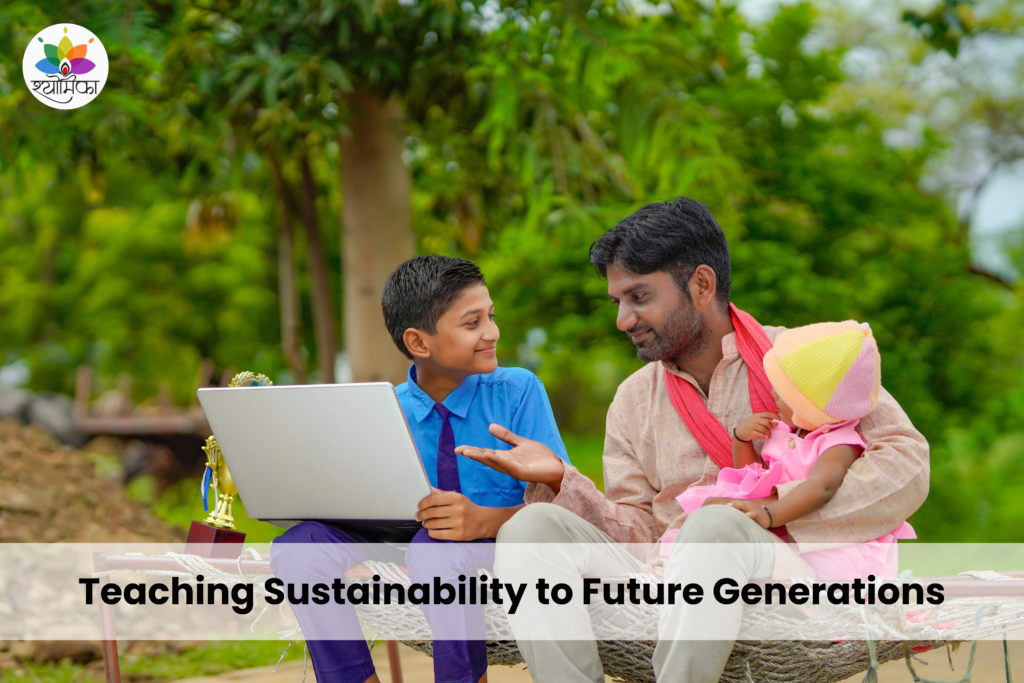
Teaching Sustainability to Future Generations
Children learn sustainability through observation and education.
Families and schools can encourage:
- Recycling habits
- Nature conservation
- Water-saving practices
- Respect for natural resources
Early awareness helps build environmentally responsible future generations.
Green Living Tips for the Future
The future of sustainability depends on long-term behavioral changes and smarter resource management.
Practical green living tips for the future focus on balancing comfort with environmental responsibility.
Smart Energy Conservation
Reducing energy waste is still one of the most effective sustainability practices.
Useful methods include:
• Unplug electrical items not in use• Using solar powered solutions
• Opening up to the maximum amount of natural light
• Make your house more energy-efficient and improve insulation
Energy conservation reduces emissions and reliance on non-renewable resources.
Sustainable Transportation Choices
Transportation contributes significantly to pollution.
More sustainable alternatives include:
- Electric vehicles
- Carpooling
- Public transit
- Cycling
Choosing greener transportation options supports cleaner air and healthier communities.
Climate Friendly Lifestyle Choices for Modern Living
Adopting climate friendly lifestyle choices helps individuals align daily habits with environmental goals.
Responsible choices often improve both sustainability and personal well-being.
Balancing Convenience and Sustainability
Sustainable living does not require perfection. Instead, it encourages gradual and realistic improvement.
People can begin by:
- Making one eco-friendly change at a time
- Avoiding unnecessary waste
- Supporting sustainable businesses
Consistency matters more than immediate perfection.
Technology and Sustainability
Technology is increasingly supporting environmental awareness through:
- Smart home systems
- Energy tracking apps
- Sustainable product marketplaces
- Climate education platforms
Digital innovation can help individuals monitor and improve environmental habits.
Common Myths About Sustainable Living
Some people believe sustainable lifestyles are expensive or difficult.
However, many sustainable habits actually reduce long-term costs through:
- Lower energy bills
- Reduced waste
- Smarter consumption
- Fewer unnecessary purchases
Sustainability can be practical, affordable, and achievable for many households.
Why Sustainability Awareness Matters
Educational awareness remains essential for encouraging responsible environmental behavior.
At Shyomika Foundation, sustainability-focused educational initiatives encourage communities to understand climate responsibility, green living practices, and long-term environmental protection.
Awareness empowers individuals to make informed decisions that positively impact the planet.
FAQs About Sustainable Living in 2026
Q1: What is sustainable living?
Sustainable living involves making environmentally responsible choices that reduce waste, conserve resources, and support long-term ecological balance.
Q2: Can small daily habits really help the environment?
Yes. Consistent small actions collectively create meaningful environmental improvements over time.
Q3: What are easy ways to start living sustainably?
People can begin by reducing plastic use, conserving water, recycling and using energy-efficient products.
Q4: Why is reducing carbon footprint important?
Lower carbon emissions help slow climate change and reduce environmental damage.
Q5: Is sustainable living expensive?
Not always. Many sustainable habits, such as reducing waste and saving energy, can actually lower household expenses.
Q6: How can families teach children sustainability?
Families can encourage recycling, nature appreciation, water conservation, and mindful consumption habits from an early age.
Conclusion
Understanding sustainable living in 2026 is essential for creating a healthier future for both people and the planet. While global environmental challenges may seem overwhelming, simple daily actions can collectively create meaningful positive change.
By adopting eco-friendly habits, reducing waste, making mindful purchasing decisions, and supporting climate-conscious practices, individuals can contribute to a more sustainable world.
With awareness initiatives supported by Shyomika Foundation, communities can continue learning practical ways to protect the environment and encourage long-term sustainability for future generations.
