
The Himalayas are sometimes called the “Water Towers of Asia” because they give fresh water to millions of people in many countries. Rivers, forests, wildlife, farming and whole communities depend on these mountains. However, climate change is now threatening this fragile ecosystem at an alarming rate.
Scientists, environmental organizations and mountain communities are witnessing rapid environmental shifts that were once considered rare. Rising temperatures, disappearing glaciers, biodiversity decline and unpredictable weather patterns are changing the Himalayan landscape faster than ever before.
This article by Shyomika Foundation explores the causes, consequences and possible solutions to protect one of the world’s most important mountain ecosystems.
Understanding Climate Change in the Himalayas
The Himalayan region is highly sensitive to environmental changes. Even small temperature increases can create major ecological disruptions in mountain environments.
Climate experts report that Himalayan temperatures are rising faster than global averages. This has intensified multiple environmental problems across the region.
Why the Himalayas Are Vulnerable
There are several reasons why these mountains are so sensitive to climate change:
• Fragile mountain ecosystems
• Rapid glacier dependency
• High concentration of biodiversity
• Erosive, steep terrain
• Dependence on seasonal rainfall
Changes in temperature and precipitation patterns directly affect rivers, forests, wildlife and local livelihoods.
Human Activities Accelerating the Crisis
Human actions have worsened environmental stress in the region through:
- Excessive tourism
- Unplanned construction
- Deforestation
- Mining activities
- Fossil fuel emissions
Combined with global warming, these activities are creating severe ecological instability.
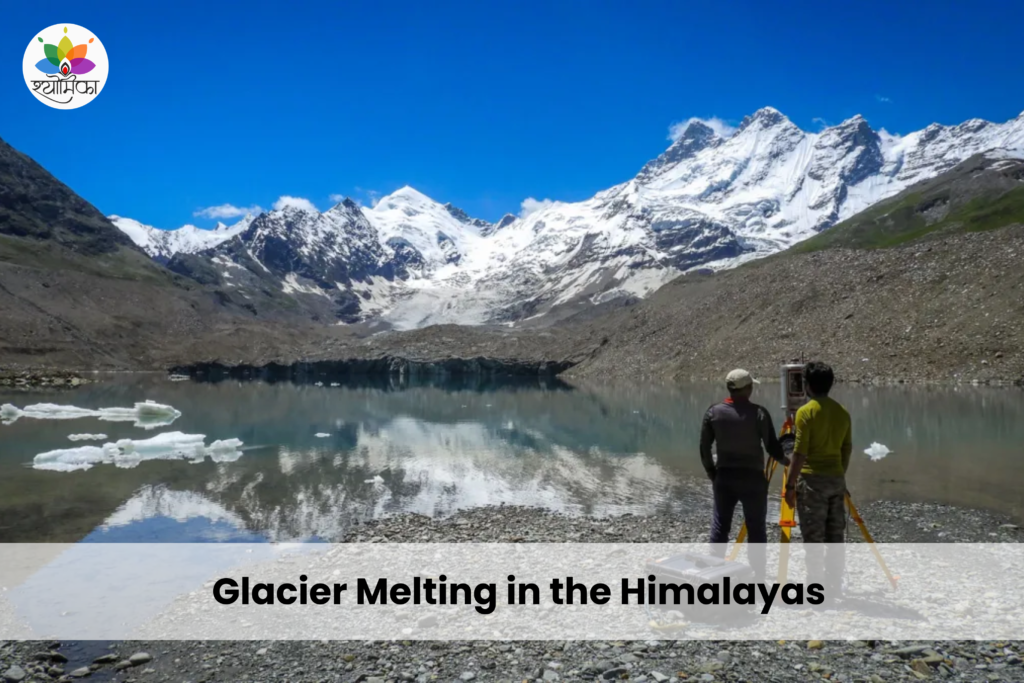
Glacier Melting in the Himalayas
One of the most visible effects of climate change is the rapid melting of Himalayan glaciers.
Glaciers act as natural freshwater storage systems. Their gradual melting traditionally supports river flow throughout the year. However, rising temperatures are now causing accelerated ice loss.
Why Glacier Retreat Is Dangerous
The shrinking of glaciers affects water availability for millions of people across India and neighboring countries.
Major risks include:
- Reduced freshwater supply
- Increased flood risks
- River flow instability
- Damage to agriculture systems
Impact on Major Rivers
Many important rivers originate in the Himalayas, including:
- Ganga
- Brahmaputra
- Indus
Changes in glacier systems directly impact downstream populations and agricultural economies.
Long-Term Environmental Threat
Scientists warn continued glacier retreat could lead to irreversible damage to regional ecosystems and water security.
This environmental threat is not a forecast for the future; it is already here.
Deforestation and Biodiversity Loss
Forests in the Himalayan region play a vital role in maintaining ecological balance. They regulate rainfall, stabilize soil, support wildlife and absorb carbon dioxide.
Unfortunately, forest destruction is increasing rapidly.
Causes of Forest Degradation
Several factors contribute to forest loss:
- Road expansion
- Illegal logging
- Urban development
- Tourism pressure
- Wildfires
Deforestation weakens mountain ecosystems and increases vulnerability to natural disasters.
Threats to Wildlife
The Himalayas are home to many rare species such as:
- Snow leopards
- Himalayan monals
- Red pandas
- Musk deer
Habitat destruction and climate shifts are forcing wildlife into smaller and more fragile environments.
Ecological Consequences
Loss of biodiversity affects:
- Pollination cycles
- Soil health
- Water systems
- Food chains
Protecting forests is essential for maintaining ecosystem resilience.
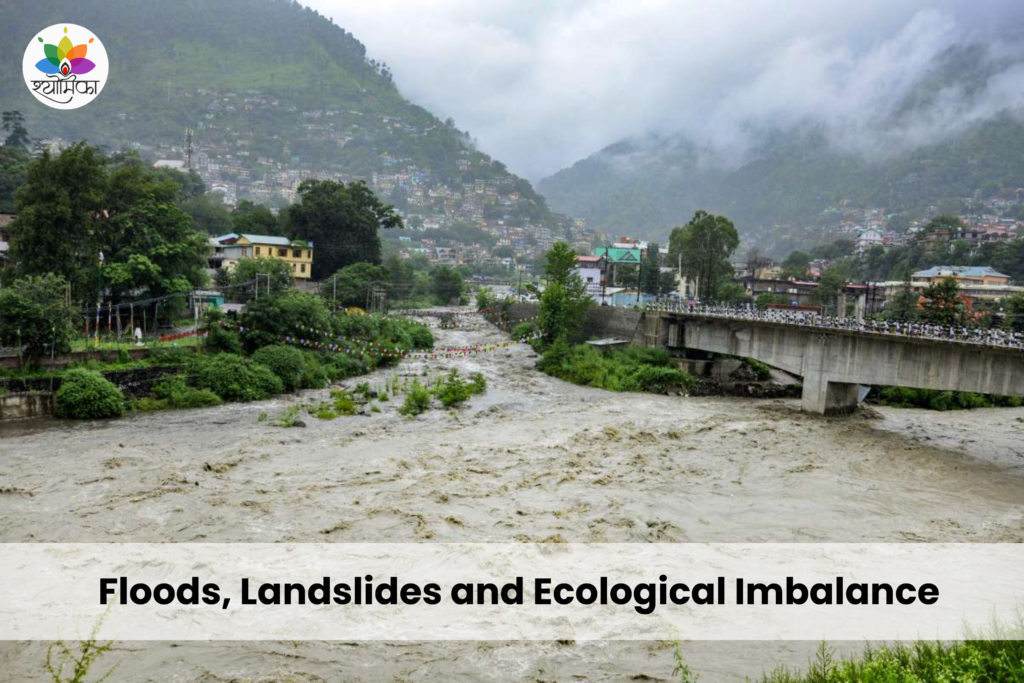
Floods, Landslides and Ecological Imbalance
Extreme weather events are becoming increasingly common in Himalayan states.
Heavy rainfall, flash floods and landslides are causing large-scale destruction every year.
Why Landslides Are Increasing
Mountain slopes become unstable due to:
- Deforestation
- Road cutting
- Excessive rainfall
- Weak soil structures
Climate change intensifies these conditions by increasing rainfall unpredictability.
Impact on Human Settlements
Communities living in mountain regions face severe consequences:
- Property destruction
- Road collapses
- Water contamination
- Loss of livelihoods
These disasters also disrupt tourism and local economies.
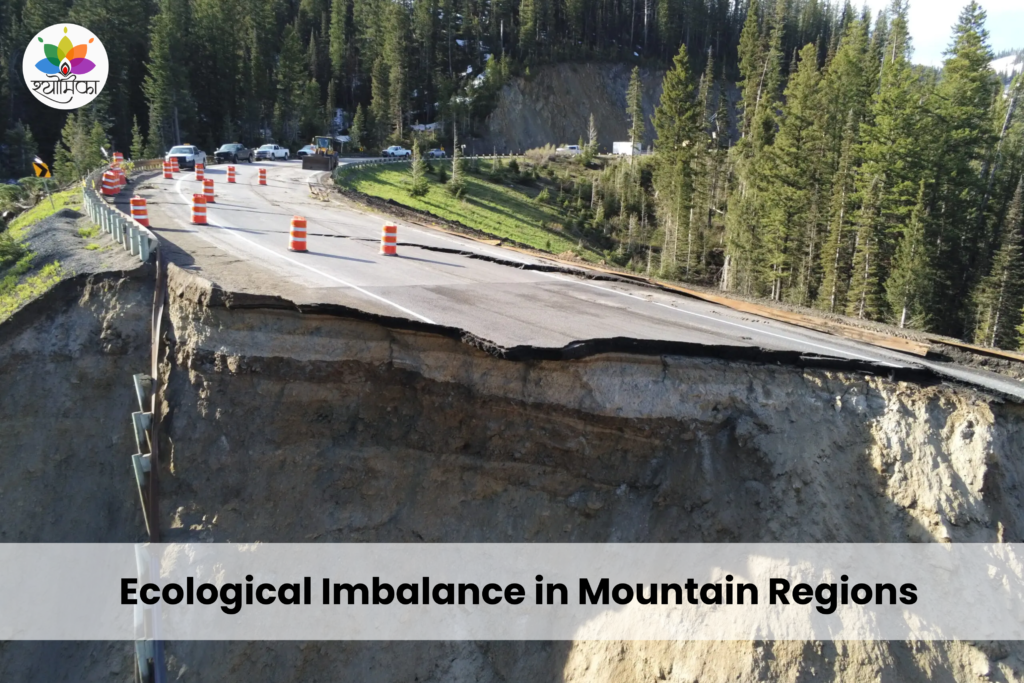
Ecological Imbalance in Mountain Regions
Environmental imbalance occurs when natural systems can no longer recover from repeated disturbances.
This includes:
- Soil degradation
- River pollution
- Habitat fragmentation
- Reduced agricultural productivity
Such changes threaten long-term sustainability in the region.
Impact on Mountain Communities
Mountain communities are among the first to experience climate-related hardships.
People living in Himalayan villages depend heavily on natural resources for farming, water, livestock and tourism.
Challenges Faced by Local Residents
Communities are dealing with:
- Water shortages
- Crop failures
- Increased migration
- Declining tourism income
Traditional lifestyles are becoming harder to maintain due to environmental uncertainty.
Mental and Social Impact
Environmental instability also affects emotional and social well-being.
Families face stress caused by:
- Economic insecurity
- Disaster-related displacement
- Loss of agricultural productivity
Young people often leave villages in search of safer opportunities elsewhere.
Indigenous Knowledge Matters
Local communities possess valuable traditional environmental knowledge that can support sustainable conservation strategies.
Experts increasingly recognize the importance of involving local populations in climate adaptation planning.
Environmental Issues in Himalayan Regions
The Himalayas face multiple interconnected environmental problems beyond climate change alone.
Waste and Pollution
Tourism growth has increased waste generation in mountain destinations.
Plastic pollution and improper waste disposal damage rivers and forests.
Hydropower and Infrastructure Pressure
Large construction projects can disturb fragile landscapes through:
- River modification
- Deforestation
- Blasting activities
- Soil destabilization
While development is important, ecological balance must remain a priority.
Unsustainable Tourism Practices
Mass tourism often strains local resources including:
- Water supply
- Waste management systems
- Forest areas
Responsible tourism policies are essential for long-term sustainability.
Protecting Himalayan Ecosystems
Environmental protection requires coordinated action from governments, organizations, communities and individuals.
Forest Conservation Efforts
Protecting forests helps reduce:
- Soil erosion
- Flood risks
- Carbon emissions
Afforestation and native tree plantation programs are critical for ecological recovery.
Sustainable Development Planning
Infrastructure projects should prioritize environmental assessments before implementation.
Eco-sensitive planning can reduce long-term damage.
Community Participation
Successful conservation programs often involve local residents directly.
Communities can support:
- Forest monitoring
- Waste reduction
- Water conservation
- Sustainable tourism initiatives
Organizations like Shyomika Foundation promote awareness and community-driven environmental action.
Sustainable Solutions for the Himalayas
Although the environmental crisis is serious, practical solutions still exist.
Renewable Energy Adoption
Using cleaner energy sources can reduce dependence on fossil fuels.
Examples include:
- Solar energy
- Small-scale hydropower
- Wind energy
Responsible Tourism
Travelers can help by:
- Avoiding plastic waste
- Supporting local businesses
- Respecting natural habitats
- Choosing eco-friendly accommodations
Climate Education and Awareness
Public awareness campaigns encourage environmental responsibility at all levels.
Educational programs can inspire future generations to protect mountain ecosystems.
Importance of Policy Support
Governments must strengthen environmental laws, climate adaptation plans and conservation funding to ensure long-term protection.
What Communities and Individuals Can Do
Climate action is not limited to governments alone. Every individual can contribute to environmental protection.
Everyday Actions That Matter
People can help by:
- Reducing plastic use
- Conserving water
- Planting native trees
- Supporting sustainable organizations
Supporting Environmental Initiatives
Volunteering and donating to conservation programs strengthens local efforts.
Promoting Sustainable Lifestyles
Small lifestyle changes collectively create meaningful environmental impact over time.
Protecting the Himalayas requires both local action and global responsibility.
FAQs
1. Why are Himalayan glaciers melting rapidly?
Rising global temperatures caused by climate change are accelerating glacier retreat across the region.
2. How does deforestation affect the Himalayas?
Deforestation weakens soil stability, increases landslide risks and destroys wildlife habitats.
3. What are the major environmental problems in Himalayan regions?
Glacier loss, biodiversity decline, floods, pollution and unsustainable development are major concerns.
4. How does climate change affect mountain communities?
It impacts agriculture, water availability, livelihoods and disaster vulnerability.
5.Can tourism harm Himalayan ecosystems?
Yes, irresponsible tourism can increase waste, pollution and pressure on natural resources.
6. What can individuals do to help protect the Himalayas?
People can reduce waste, support conservation efforts and practice sustainable travel habits.
Conclusion
The Himalayas are undergoing one of the most severe environmental crises of recent times. Le changement climatique, la déforestation, le recul des glaciers et les déséquilibres écologiques menacent la nature et la vie humaine dans toute la région.
Protecting these mountains is not only important for local communities but also for millions of people who depend on Himalayan ecosystems for water, climate stability and biodiversity.
Organizations like Shyomika Foundation continue raising awareness and encouraging sustainable action to protect these fragile environments.
The future of the Himalayas depends on collective responsibility, sustainable development and immediate environmental action.
