
India’s environment is at a critical point. The increasingly hot temperatures, the worsening air quality, the dwindling forests, and the increasing natural disasters are clear signs that it is no longer optional to act on the environment immediately. Tree plantation in India is one of the easiest yet most effective ways to help ecological restoration, healthier communities and long-term sustainability.
Trees are often referred to as the lungs of the Earth because they absorb carbon dioxide, release oxygen, and support countless forms of life. Beyond their environmental role, they strengthen local economies, improve public health and create greener spaces where communities can thrive.
At Shyomika Foundation, we believe that every planted tree represents hope for a cleaner and healthier tomorrow. Through awareness campaigns, plantation initiatives and community participation, we are committed to protecting nature while inspiring people to become active contributors to environmental conservation.
This guide explores why planting trees has become more important than ever and how collective action can help build a sustainable future for generations to come.
Why Tree Plantation in India Has Become a National Priority
The environmental challenges continue to grow across the country every year. Rapid urbanisation, industrial growth and diminishing green cover are putting tremendous pressure on Climate Resilience.
Tree planting is one of the most practical solutions because it delivers environmental, social and economic benefits simultaneously.
Major environmental concerns include:
- Rising air pollution in urban areas
- Increasing average temperatures
- Water scarcity in several regions
- Soil degradation affecting agriculture
- Loss of wildlife habitats
- Growing carbon emissions
Increasing green cover helps restore ecological balance while supporting healthier living conditions for millions of people.
Climate Change is Affecting Every Community
Extreme heatwaves, unpredictable rainfall, floods and prolonged droughts are becoming more common across India. These environmental changes impact agriculture, livelihoods, biodiversity and public health.
Healthy forests naturally regulate climate by storing carbon, reducing surface temperatures and maintaining the water cycle. Expanding green landscapes is one of the most reliable long-term solutions for environmental resilience.
Declining Green Cover Requires Immediate Action
Cities need infrastructure to grow, but unchecked growth often comes at the expense of forests and open green spaces. The planned plantation initiatives to restore these areas will improve ecological stability and make cities healthier places to live.
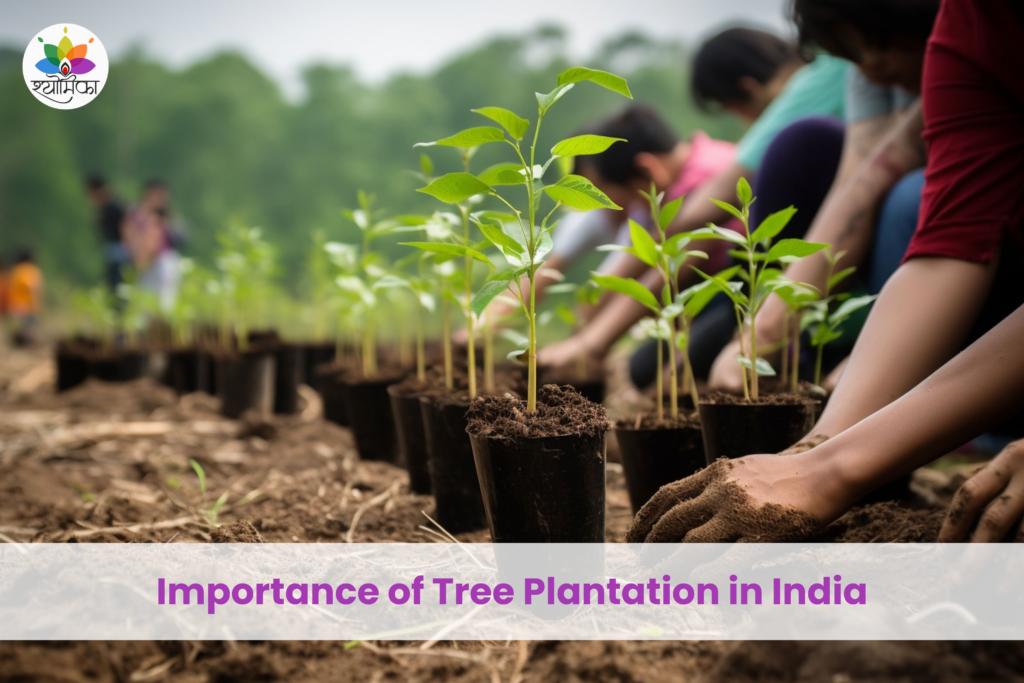
Importance of Tree Plantation in India
Trees are the foundation of healthy ecosystems. They support life in countless ways while protecting valuable natural resources.
Their contribution extends beyond environmental protection by strengthening communities and improving overall quality of life.
Cleaner Air for Healthier Communities
Air pollution remains one of India’s biggest environmental concerns. Trees naturally filter harmful pollutants, trap dust particles and release oxygen, improving air quality in both urban and rural areas.
Cleaner air contributes to:
- Better respiratory health
- Reduced pollution levels
- Cooler surroundings
- Improved public well-being
Conserving Natural Resources
Trees protect valuable natural resources by reducing soil erosion, improving groundwater recharge and preventing excessive surface runoff during heavy rainfall.
Healthy vegetation also improves agricultural productivity by maintaining fertile soil and supporting balanced ecosystems.
Benefits of Planting Trees for Society
Planting trees is not only an environmental responsibility but also a long-term investment in people and communities.
The positive impact can be seen across multiple sectors.
Supporting Better Public Health
Green environments encourage outdoor activities, reduce stress levels and improve mental well-being. Cooler surroundings also help reduce the effects of extreme summer temperatures.
Economic Advantages
Healthy forests and urban greenery contribute to:
- Sustainable tourism
- Employment opportunities
- Improved agricultural productivity
- Better water availability
- Increased property value
Environmental investments often generate long-term economic returns while protecting natural ecosystems.
How Trees Help Restore Ecological Balance
Nature depends on healthy ecosystems and trees serve as their backbone.
They regulate natural processes that directly affect both wildlife and human life.
Restoring Wildlife Habitats
Forests provide shelter, food, and breeding grounds for birds, insects, mammals and countless other species.
Protecting native tree species helps strengthen biodiversity while preserving ecological balance for future generations.
Protecting Soil and Water
Tree roots stabilize land, prevent erosion, and improve water infiltration. This helps maintain rivers, lakes and groundwater reserves while reducing flood risks.
Healthy landscapes also become more resilient during extreme weather conditions.
Community Participation Creates Lasting Environmental Change
Successful environmental conservation cannot depend on governments alone. Communities play an equally important role.
Local participation creates long-term ownership and ensures better care for planted trees.
Schools and Educational Institutions
Schools can organize plantation campaigns that teach students environmental responsibility from an early age.
Such initiatives encourage practical learning while building future environmental leaders.
Residents and Volunteers
Neighbourhood associations, youth groups and volunteers can turn public spaces into green areas through regular planting and maintenance.
Community participation is still the core of every plantation initiative at Shyomika Foundation. We hope to work with schools, volunteers, local residents and organizations to make a lasting impact on the environment for years to come.
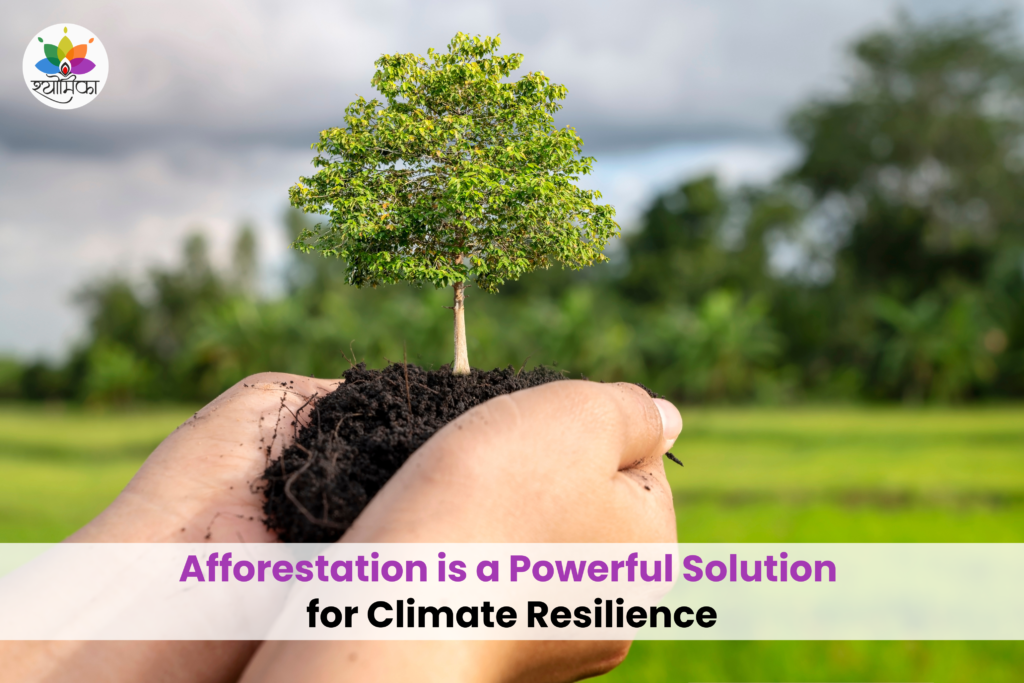
Afforestation is a Powerful Solution for Climate Resilience
As environmental challenges continue to increase, restoring green cover has become one of the most practical ways to protect natural resources. Well-planned afforestation projects improve ecological balance while supporting healthier communities and sustainable development.
Planting native tree species across degraded landscapes helps restore forests, improve soil quality and strengthen ecosystems that have been damaged by urban expansion and deforestation.
Reducing Carbon Emissions Naturally
Trees act as natural carbon sinks by absorbing carbon dioxide from the atmosphere and storing it throughout their lifetime. This natural process helps slow global warming while improving air quality.
Some environmental benefits include:
- Lower greenhouse gas concentrations
- Improved oxygen production
- Reduced urban heat
- Better ecological stability
- Cleaner surroundings for communities
Large-scale plantation initiatives can significantly contribute to long-term environmental sustainability when combined with proper maintenance and community participation.
Protecting Water Resources
Healthy forests regulate the water cycle by improving groundwater recharge and reducing surface runoff. Their root systems stabilize soil, preventing erosion during heavy rainfall while conserving moisture during dry seasons.
Areas with greater tree cover often experience:
- Improved groundwater levels
- Reduced flooding
- Better soil moisture
- Healthier rivers and lakes
- Increased agricultural productivity
Biodiversity Depends on Healthy Forest Ecosystems
Nature functions as an interconnected system where every species plays an important role. Trees provide shelter, food and breeding spaces for countless birds, insects, mammals and microorganisms.
Protecting natural habitats ensures that wildlife populations continue to thrive while maintaining ecological balance.
Supporting Native Wildlife
Native tree species provide food and shelter for local wildlife that cannot easily survive in urban environments.
Healthy green landscapes help protect:
- Birds
- Butterflies
- Bees
- Small mammals
- Beneficial insects
A diverse ecosystem also supports natural pollination, which is essential for agriculture and food security.
Restoring Ecological Balance
Balanced ecosystems improve soil fertility, regulate water flow and support healthy food chains.
When degraded lands are restored through thoughtful plantation efforts, nature gradually rebuilds itself, creating healthier environments for both wildlife and people.
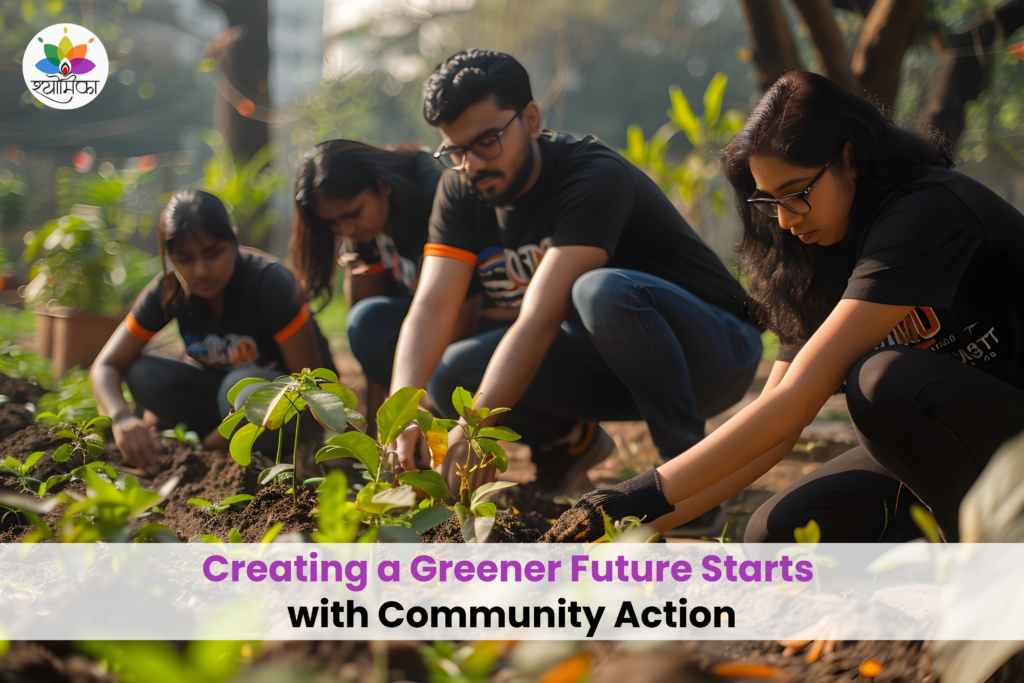
Creating a Greener Future Starts with Community Action
Environmental protection becomes far more effective when individuals, schools, businesses and organizations work together.
Community participation transforms tree plantation from a one-day activity into a long-term commitment toward sustainability.
Schools Can Inspire Future Environmental Leaders
Educational institutions play a vital role in building environmental awareness among children.
Schools can encourage students by organizing:
- Plantation campaigns
- Nature awareness workshops
- Environmental competitions
- Eco-club activities
- Green campus initiatives
These activities help students understand the value of protecting nature while developing lifelong sustainable habits.
Corporate and Community Partnerships
Businesses, resident welfare associations, NGOs and volunteers can collectively expand green cover through planned plantation campaigns.
Collaborative environmental initiatives often achieve better survival rates because they combine funding, manpower and long-term maintenance.
The Role of Shyomika Foundation in Building a Sustainable Tomorrow
Environmental conservation requires continuous effort rather than one-time campaigns. At Shyomika Foundation, our mission extends beyond planting saplings—we focus on nurturing them, creating awareness and encouraging communities to actively participate in environmental protection.
Our initiatives promote responsible environmental practices through education, collaboration and grassroots action.
Our environmental efforts include:
- Community plantation campaigns
- Environmental awareness programs
- School engagement activities
- Volunteer participation
- Sustainability education
- Green community initiatives
Every tree planted through our initiatives represents a shared commitment toward protecting nature for future generations.
How Every Individual Can Make a Difference
Building a greener India does not require extraordinary actions. Small, consistent efforts made by millions of people create lasting environmental impact.
Anyone can contribute by:
- Planting native trees in available spaces
- Caring for newly planted saplings
- Conserving water
- Reducing unnecessary paper consumption
- Participating in local environmental drives
- Encouraging others to protect green spaces
Environmental responsibility begins with simple everyday choices.
Frequently Asked Questions
Q: 1. Why should people participate in tree plantation activities?
Tree plantation improves air quality, supports healthier ecosystems, protects natural resources and creates greener communities for future generations.
Q: 2. Which trees are best for plantation projects?
Native tree species are generally the best choice because they adapt well to local climatic conditions and provide greater ecological benefits.
Q: 3. How do trees improve air quality?
Trees absorb harmful gases, trap airborne dust particles and release oxygen, creating healthier environments for people and wildlife.
Q: 4. Can individuals contribute even by planting a single tree?
Yes. Every healthy tree contributes to cleaner air, better biodiversity and environmental sustainability. Collective small efforts create significant long-term impact.
Q: 5. Why is community participation important?
Communities ensure that plantation initiatives continue beyond the planting day by maintaining saplings and encouraging environmental responsibility among local residents.
Q: 6. How is Shyomika Foundation helping create a greener India?
Shyomika Foundation promotes environmental awareness through plantation drives, educational programs, volunteer engagement and collaborative sustainability initiatives that encourage long-term conservation.
Conclusion
Environmental preservation is one of the most important duties of our age. The increasing challenges posed by climate change demand the augmentation of green cover to protect our natural resources, enhance public health and secure a sustainable future.
While governments and environmental organizations continue to implement large-scale initiatives, meaningful change begins with individuals and communities. Every tree planted contributes to cleaner air, healthier ecosystems, improved biodiversity and stronger climate resilience.
At Shyomika Foundation, we believe that lasting environmental change is possible when awareness is combined with action. Through community participation, educational initiatives, and responsible plantation efforts, we strive to inspire people to become active guardians of nature. A greener India doesn’t happen overnight – it grows one tree, one community and one shared commitment at a time. Together, by planting today and nurturing tomorrow, we can build a healthier, cleaner and more sustainable nation for generations to come.
