
Balance is the bedrock of nature. Every tree, shrub, flower and grass plays an important role in supporting wildlife, maintaining the health of the soil and preserving ecological harmony. But as urbanisation and landscaping tastes have continued to evolve, many areas have seen a broad introduction of exotic plant species. Although these plants are often used to enhance the appearance, they can also upset the local ecology if not chosen carefully.
Understanding native plants vs exotic plants is essential for anyone interested in sustainable gardening, biodiversity conservation, or environmental restoration. Native plants have evolved naturally within a region over thousands of years, developing strong relationships with local wildlife, insects, birds, and climate conditions. Exotic plants, on the other hand, originate from different geographical regions and are introduced intentionally or accidentally.
Shyomika Foundation believes that informed choices are the beginning of environmental conservation. Promoting native vegetation is one of the easiest, yet most effective ways that people and communities can contribute to healthier ecosystems and long-term sustainability.
In this guide, you’ll learn the differences between native and exotic plants, their ecological impact, and why choosing native species benefits both nature and future generations.
Understanding Native Plants and Exotic Plants
What Are Native Plants?
Native plants are species that naturally occur within a particular region without human introduction. Over centuries, these plants have adapted to local rainfall, soil conditions, temperature variations and interactions with native wildlife.
Because they evolved alongside local ecosystems, native plants support pollinators, birds, butterflies, insects and beneficial microorganisms more effectively than non-native species.
Characteristics of native plants include:
- Adaptation to local climate
- Lower maintenance requirements
- Better resistance to regional pests
- Support for local biodiversity
- Efficient use of available water resources
These qualities make native vegetation an ideal choice for sustainable landscapes.
What Are Exotic Plants?
Exotic plants, also called non-native or introduced species, originate from other countries or ecological regions. Many are introduced for ornamental landscaping, agriculture or commercial purposes.
Not all exotic plants are harmful. In fact, many remain well-managed without affecting local ecosystems. However, some species spread aggressively, compete with native vegetation and alter natural habitats.
Potential concerns include:
- Competition for sunlight and nutrients
- Reduced habitat for native wildlife
- Increased maintenance
- Possible spread beyond intended planting areas
Responsible selection and management are therefore important when incorporating exotic plants into landscapes.
Native Plants vs Exotic Plants – Understanding the Key Differences
Adaptation to Local Conditions
One of the main differences in native plants vs exotic plants is their ability to adapt naturally.
Indigenous species are adapted to local environmental conditions and can survive with little or no assistance. They generally use less irrigation, less fertiliser and less pesticides.
Exotic species may require additional care because they are not naturally suited to local soil, weather or seasonal changes.
This difference affects long-term maintenance costs and environmental sustainability.
Supporting Local Wildlife
Native plants provide food, shelter, and breeding habitats for many local species.
They support:
- Bees
- Butterflies
- Birds
- Small mammals
- Beneficial insects
Many pollinators depend on native flowering plants for nectar and pollen, making these species essential for healthy ecosystems.
Exotic plants often provide fewer ecological benefits because native wildlife may not recognize or utilize them effectively.
Benefits of Native Plants
Environmental Advantages
The benefits of native plants extend far beyond aesthetics.
These plants help:
- Improve soil quality
- Reduce erosion
- Support pollinators
- Increase biodiversity
- Improve groundwater recharge
- Reduce chemical use
- Lower maintenance requirements
Their deep root systems also improve soil stability and increase resilience against drought.
For communities facing climate challenges, native vegetation contributes to healthier and more sustainable landscapes.
Economic Benefits
Choosing native plants can also reduce long-term maintenance costs.
Since they naturally adapt to local environments, they generally require:
- Less watering
- Fewer fertilizers
- Reduced pesticide applications
- Lower maintenance labor
Homeowners, businesses, schools and municipalities can all benefit from these long-term savings while supporting environmental conservation.
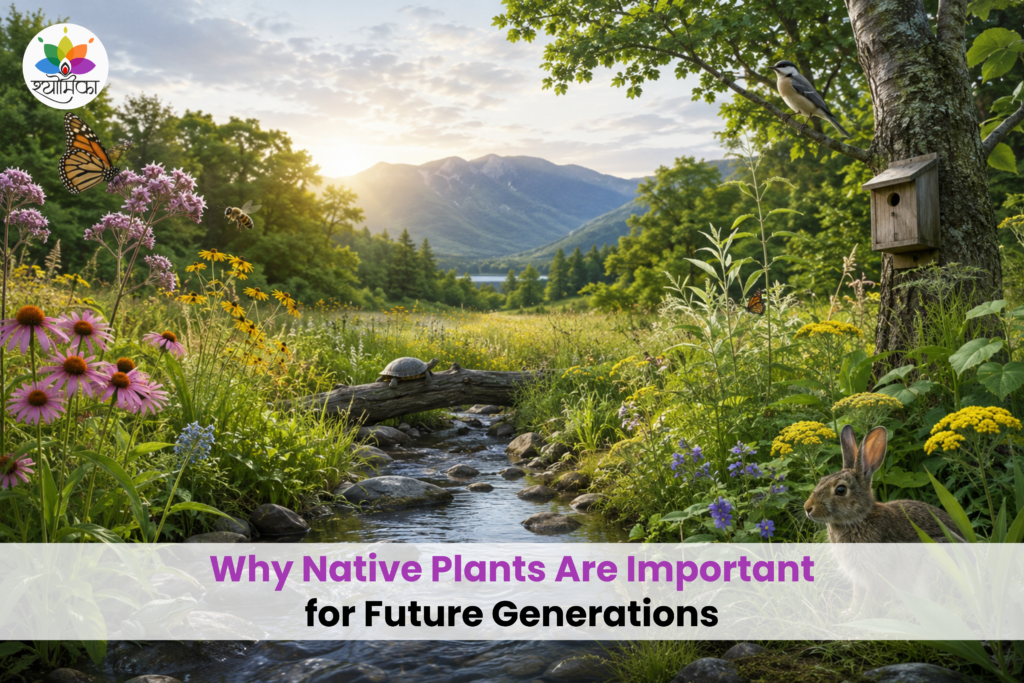
Why Native Plants Are Important for Future Generations
Protecting Ecological Balance
Understanding why native plants are important helps communities make environmentally responsible decisions.
Healthy ecosystems depend upon complex relationships between plants, animals, fungi, insects and microorganisms.
When native vegetation disappears, these relationships weaken, affecting:
- Food chains
- Pollination
- Soil fertility
- Water quality
- Wildlife populations
Protecting native species helps maintain these natural ecological processes.
Supporting Climate Resilience
Climate change has increased the need for resilient landscapes.
Native plants are generally better equipped to tolerate local weather extremes because they evolved within those conditions.
Benefits include:
- Better drought tolerance
- Improved flood resistance
- Increased carbon storage
- Enhanced soil protection
These characteristics make native vegetation an essential component of climate adaptation strategies supported by organizations like Shyomika Foundation, which promotes sustainable environmental practices and community awareness.
Native Species for Ecosystem Restoration
Restoring Nature with Native Vegetation
Across the world, forests, wetlands, grasslands, and riverbanks have been affected by deforestation, urban development, pollution, and climate change. Restoring these ecosystems requires thoughtful planning, and one of the most effective solutions is using native species for ecosystem restoration.
Native plants naturally adapt to the local environment and help rebuild ecological relationships that may have been disrupted over time. Their deep root systems improve soil stability, reduce erosion, and enhance water retention. These plants also provide shelter and food for birds, butterflies, bees, and other wildlife, allowing ecosystems to recover naturally.
Restoration projects that prioritize native vegetation often show better long-term success because the plants require less maintenance and are more resilient to local weather conditions.
Long-Term Environmental Benefits
When native species are used in restoration efforts, they contribute to:
- Improved soil fertility
- Reduced land degradation
- Increased groundwater recharge
- Better habitat connectivity
- Healthier pollinator populations
- Greater ecosystem resilience
Organizations such as Shyomika Foundation encourage community participation in plantation drives and ecological restoration projects to promote sustainable environmental practices.
Biodiversity Conservation Through Native Plants
Supporting Wildlife and Pollinators
Healthy biodiversity depends on healthy habitats. One of the most effective ways to achieve biodiversity conservation through native plants is by creating environments where local wildlife can thrive.
Native flowering plants provide nectar and pollen for bees, butterflies, moths and other pollinators. Trees and shrubs offer nesting sites, while grasses and groundcover protect insects and small mammals.
When native vegetation is replaced with non-native ornamental plants, these natural food sources often disappear, reducing wildlife populations over time.
Creating biodiversity-friendly landscapes benefits both nature and local communities.
Strengthening Local Food Chains
Every ecosystem functions through interconnected food webs.
Native plants support:
- Pollinating insects
- Seed-dispersing birds
- Herbivorous animals
- Predatory species
- Soil microorganisms
Protecting these relationships ensures ecological stability and helps maintain balanced natural environments.
By preserving indigenous vegetation, communities contribute to stronger and healthier ecosystems for future generations.
Native Plants in India
Why India Has Rich Native Plant Diversity
India is one of the world’s most biologically diverse countries. From the Himalayas to coastal regions and tropical forests, every landscape supports unique plant communities that have evolved over thousands of years.
Many native plants in India are naturally adapted to local climates and require fewer resources than imported ornamental species.
Examples include:
- Neem (Azadirachta indica)
- Banyan (Ficus benghalensis)
- Peepal (Ficus religiosa)
- Arjun (Terminalia arjuna)
- Indian Laburnum (Cassia fistula)
- Jamun (Syzygium cumini)
These species not only beautify landscapes but also provide ecological benefits by supporting local wildlife and improving environmental health.
Choosing the Right Plants for Your Region
India’s diverse climate means that plant selection should always match local conditions.
When planning a garden or restoration project, consider:
- Rainfall patterns
- Soil type
- Temperature
- Sunlight availability
- Water requirements
Consulting local horticulture experts or environmental organizations can help identify suitable native species for your specific location.
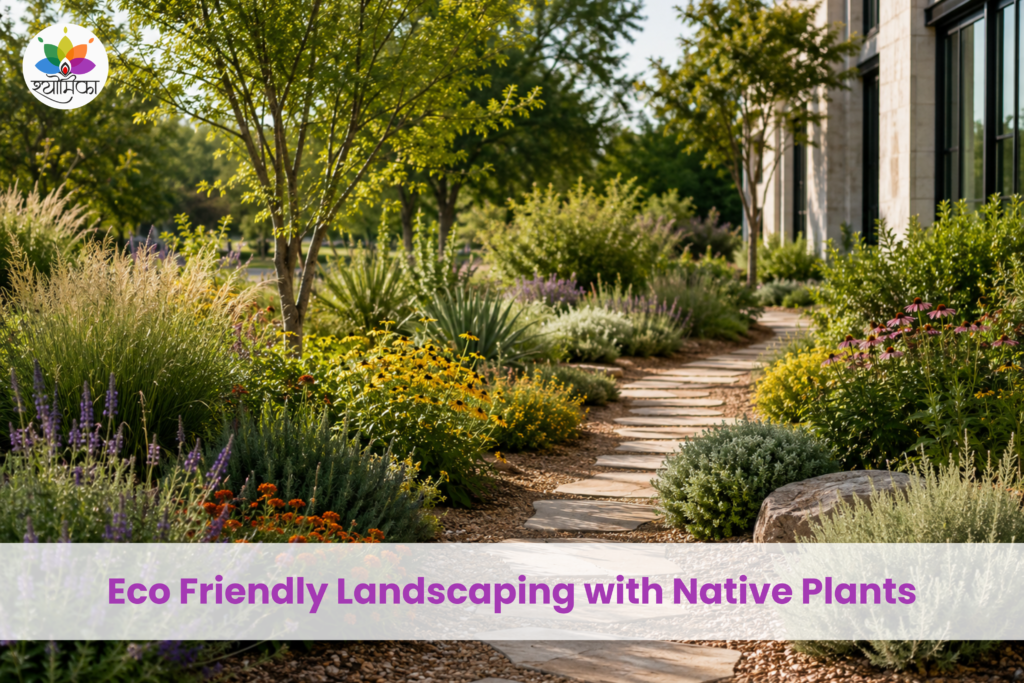
Eco Friendly Landscaping with Native Plants
Creating Sustainable Green Spaces
Modern landscaping is shifting toward sustainability. Eco friendly landscaping with native plants allows homeowners, schools, businesses and public institutions to create attractive outdoor spaces while minimizing environmental impact.
Native landscapes typically require:
- Less irrigation
- Reduced fertilizer use
- Fewer pesticides
- Lower maintenance costs
These advantages make them ideal for sustainable urban development.
Additionally, native gardens attract butterflies and birds, creating vibrant outdoor spaces that support biodiversity.
Designing Beautiful Native Gardens
Many people assume native gardens lack visual appeal, but this is far from true.
A thoughtfully designed native landscape can include:
- Seasonal flowering plants
- Colorful shrubs
- Shade trees
- Ground covers
- Ornamental grasses
- Butterfly-friendly plants
Combining different heights, colors and blooming seasons creates year-round beauty while supporting ecological balance.
Such landscapes demonstrate that environmental responsibility and aesthetic appeal can coexist.
Common Myths About Native Plants
Myth 1 – Native Plants Are Difficult to Grow
One of the biggest misconceptions is that native plants require specialized knowledge or extensive care.
In reality, because they evolved naturally within the local environment, they often require less maintenance than exotic species once established.
Proper plant selection and initial care are usually sufficient for long-term success.
Myth 2 – Exotic Plants Are Always Harmful
Another common misunderstanding is that every exotic plant damages ecosystems.
This is not true.
Many non-native plants coexist without causing environmental problems. However, certain invasive exotic species can spread rapidly and outcompete native vegetation.
The goal is not to eliminate all exotic plants but to prioritize native species wherever possible while avoiding invasive varieties.
Responsible landscaping focuses on ecological balance rather than excluding all introduced plants.
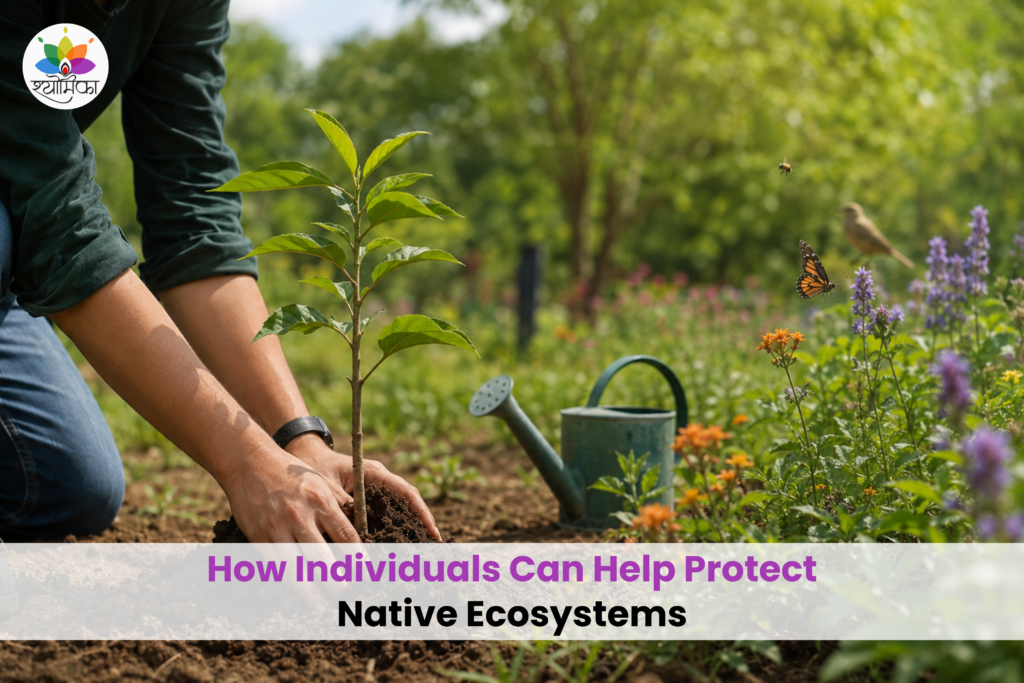
How Individuals Can Help Protect Native Ecosystems
Small Actions Create Lasting Environmental Impact
Protecting ecosystems is not limited to governments or environmental organizations. Every individual can contribute to restoring nature by making conscious choices in homes, schools, workplaces and communities.
Simple actions include:
- Plant native trees and flowering plants.
- Avoid invasive plant species.
- Reduce the use of chemical pesticides.
- Support local nurseries that grow native plants.
- Participate in tree plantation drives.
- Create pollinator-friendly gardens.
- Educate family and friends about sustainable landscaping.
Even a small garden planted with native vegetation can become a habitat for butterflies, birds, bees and beneficial insects.
Community Participation Makes a Difference
Communities become stronger when people work together toward environmental conservation.
Schools, resident welfare associations, businesses and volunteers can organize activities such as:
- Native tree plantation campaigns
- Biodiversity awareness workshops
- Community garden projects
- Wetland restoration programs
- Educational nature walks
These initiatives not only improve local ecosystems but also encourage environmental responsibility among future generations.
Shyomika Foundation’s Commitment to Environmental Conservation
Promoting Sustainable Ecosystems
At Shyomika Foundation, environmental sustainability is an important part of creating healthier communities. The foundation believes that conserving biodiversity begins with informed decisions and active participation.
Through awareness campaigns, plantation initiatives, and community engagement, the foundation encourages individuals to understand the value of indigenous vegetation and the long-term benefits it provides for ecosystems.
Supporting native plants contributes to cleaner air, healthier soil, improved water conservation and stronger habitats for wildlife.
Inspiring Future Generations
Environmental education is essential for long-term conservation.
By encouraging students, families and communities to appreciate local biodiversity, Shyomika Foundation aims to inspire responsible environmental stewardship.
Every planted native tree represents an investment in cleaner cities, healthier ecosystems and a more sustainable future.
Together, small actions today can create lasting environmental benefits for generations to come.
Frequently Asked Questions (FAQs)
Q: 1. What is the difference between native and exotic plants?
Native plants occur naturally in a specific region and have adapted to local environmental conditions over time. Exotic plants originate from different geographical areas and are introduced intentionally or accidentally.
Q: 2. Why should I choose native plants for my garden?
Native plants generally require less maintenance, use less water, support pollinators, improve soil health, and provide habitat for local wildlife, making them a sustainable landscaping choice.
Q: 3. Are all exotic plants harmful?
No. Many exotic plants coexist without causing environmental problems. However, some invasive species can spread aggressively and negatively affect native ecosystems, which is why careful plant selection is important.
Q: 4. Can native plants improve biodiversity?
Yes. Native plants support insects, birds, butterflies, mammals, and soil organisms that have evolved alongside them. This helps maintain balanced ecosystems and strengthens biodiversity.
Q: 5. Are native plants suitable for urban gardens?
Absolutely. Native plants are well suited to urban landscapes because they are adapted to local climates, generally require fewer resources, and can attract beneficial wildlife even in small spaces.
Q: 6. How can I identify native plants in my region?
You can consult local forestry departments, botanical gardens, horticulture experts, or environmental organizations. Native plant societies and regional nurseries are also valuable sources of information.
Conclusion
The discussion around native plants vs exotic plants goes beyond gardening preferences—it is about protecting ecosystems, preserving biodiversity and creating a healthier future for people and wildlife alike. While many exotic plants can be grown responsibly, native species provide unmatched ecological benefits because they have evolved alongside local environments and support countless forms of life.
From restoring degraded landscapes to creating sustainable home gardens, choosing native vegetation is one of the simplest yet most effective actions individuals and communities can take. These plants require fewer resources, strengthen local ecosystems, improve soil and water conservation and provide essential habitats for pollinators and wildlife.
At Shyomika Foundation, we believe that meaningful environmental change begins with awareness and action. Every native tree planted, every pollinator-friendly garden created and every conservation initiative supported contributes to a greener, healthier and more resilient planet.
By making informed planting choices today, we can leave future generations with thriving ecosystems, richer biodiversity and a more sustainable world.
