
Technology is very important in today’s digital world for education, work and communication. But not everyone can take advantage of these chances. The digital divide in rural India still makes it hard for millions of young people to get good education and digital resources.
While urban areas are rapidly advancing in technology adoption, many rural communities still struggle with limited internet access, lack of digital infrastructure and insufficient training. This gap affects students, job seekers and entrepreneurs, making it difficult for them to compete in a technology-driven world.
It’s not enough to just give people devices to bridge this gap; we also need to make it possible for them to learn, innovate and grow. Organizations like SHYOMIKA FOUNDATION are working hard to promote digital empowerment by bringing training programs, digital tools and awareness campaigns to areas that don’t have them.
This article explores how empowering rural youth through technology can transform communities and create a more inclusive digital future.
Understanding the Digital Divide in Rural India
The term digital divide refers to the gap between individuals who have access to technology and those who do not.
What Is the Digital Divide India Faces Today
The digital divide India experiences is primarily due to unequal distribution of resources such as internet connectivity, digital devices and technical education.
In rural areas, this divide is more visible due to:
- Limited infrastructure
- Lack of awareness about technology
- Financial constraints
- Insufficient digital training
These challenges prevent rural youth from accessing opportunities that are easily available in urban settings.
Impact on Rural Communities
The lack of access to technology affects multiple aspects of life, including education, employment and communication.
Without proper access to technology in rural India, students may struggle to:
- Participate in online learning
- Develop digital skills
- Apply for jobs or training programs
This creates a cycle of inequality that limits growth and development.
Importance of Rural Technology Education
Technology education is one of the most effective ways to bridge the digital gap.
Role of Rural Technology Education in Development
Rural technology education equips students with the skills needed to navigate digital platforms and use technology effectively.
This includes:
- Basic computer knowledge
- Internet usage
- Online communication
- Digital tools for learning
Providing these skills helps students become more confident and independent learners.
Digital Education in Areas
By improving digital education in areas, students can learn from resources all over the world and learn more than they would in a traditional classroom.
When used with the right infrastructure, online courses, educational platforms and virtual classrooms can make a big difference in how well students learn.
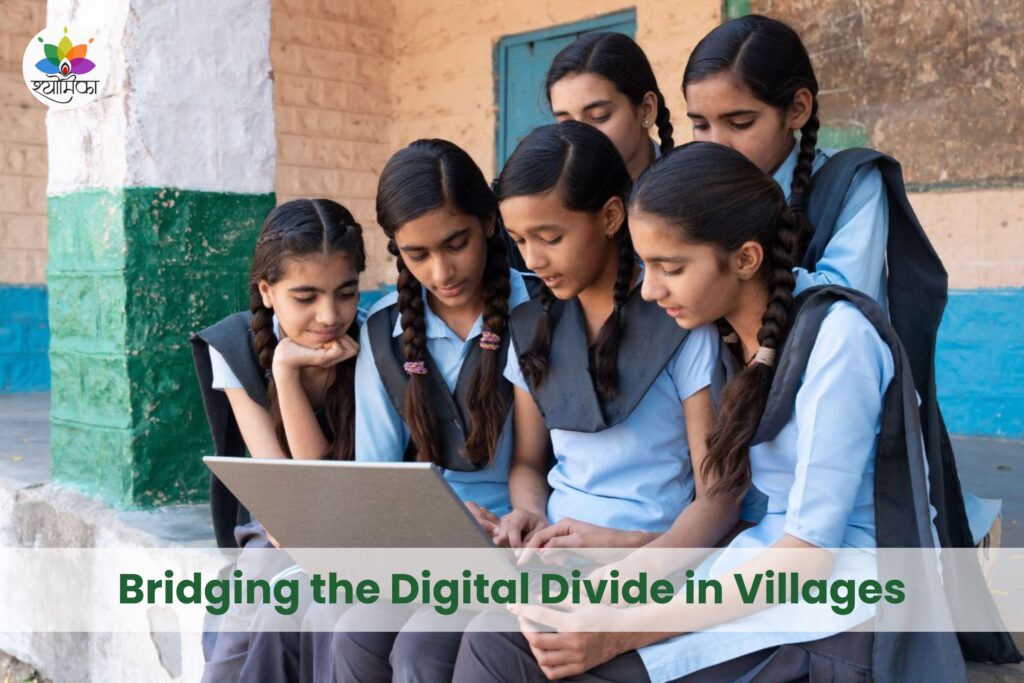
Bridging the Digital Divide in Villages
Addressing the digital divide requires a combination of infrastructure, education and community support.
Infrastructure Development
Improving internet connectivity and providing access to devices are essential steps in bridging the digital divide in villages.
This includes:
- Expanding broadband networks
- Setting up community digital centers
- Providing affordable devices
Community-Based Digital Literacy Programs
Rural digital literacy programs play a crucial role in teaching students how to use technology effectively.
These programs focus on:
- Basic computer training
- Internet safety
- Digital communication skills
Organizations like SHYOMIKA FOUNDATION actively support such initiatives to empower students with essential digital knowledge.
Digital Empowerment of Rural Youth
Digital empowerment goes beyond access—it involves enabling individuals to use technology confidently and creatively.
Technology for Rural Youth Empowerment
Providing technology for rural youth empowerment helps young people explore new opportunities in education and employment.
With digital skills, rural youth can:
- Learn new subjects online
- Apply for jobs and internships
- Start small digital businesses
Empowering Youth Through Technology
True progress comes from empowering youth through technology.
This means:
- Encouraging innovation
- Promoting digital creativity
- Supporting entrepreneurship
Digital tools can help youth solve local problems and contribute to community development.
Key Challenges in Bridging the Digital Divide
Despite progress, several challenges remain.
Limited Access to Technology
Many areas still lack proper internet connectivity and digital devices.
Lack of Awareness and Training
Students may not be aware of the benefits of digital learning or how to use technology effectively.
Financial Barriers
The cost of devices and internet services can be a significant obstacle for many families.
Addressing these challenges requires collaboration between governments, organizations and communities.
Role of Organizations in Digital Transformation
Organizations play a critical role in improving digital access and education.
Initiatives by SHYOMIKA FOUNDATION
SHYOMIKA FOUNDATION is actively working to bridge the digital gap by:
- Providing digital training programs
- Supporting rural education initiatives
- Promoting awareness about technology
Collaborative Efforts for Change
Partnerships between NGOs, government bodies and private organizations can accelerate progress in digital inclusion.
Future of Digital Inclusion in Rural India
The future of rural development depends on digital inclusion.
Expanding Access and Opportunities
Improving infrastructure and training programs will help more students access digital education.
Building a Skilled Workforce
Developing digital skills among rural youth will create a workforce ready for future challenges.
Frequently Asked Questions
1. What is the digital divide in rural India?
It refers to the gap between people who have access to digital technology and those who do not, especially in rural areas.
2. Why is digital literacy important for rural youth?
Digital literacy helps students access education, improve skills and explore career opportunities.
3. How can the digital divide be reduced?
By improving infrastructure, providing digital education, and promoting awareness programs.
4. What role do NGOs play in digital empowerment?
NGOs provide training, resources and support to help communities access and use technology effectively.
5. What are rural digital literacy programs?
These are training programs that teach basic computer and internet skills to rural communities.
6. How does technology empower youth?
Technology provides access to education, career opportunities and tools for innovation.
Conclusion
To make sure everyone has the same chances in school and at work, we need to close the digital divide in India. Communities can reach their full potential by making technology more accessible, encouraging digital literacy, and giving young people more power.
Organizations like SHYOMIKA FOUNDATION are working to change education in areas and make the digital future more open to everyone. With the right help and tools, young people in areas can take part in the global digital economy.
Putting money into technology now will make the future better and fairer for the next generation.
