
Mountain regions have always drawn travelers with their dramatic landscapes, rich biodiversity and cultural heritage. From snow-capped peaks to remote villages, these environments offer experiences that are both inspiring and transformative. However, as tourism grows, so do its impacts—on fragile ecosystems, local communities and natural resources.
This reality has brought sustainable mountain tourism to the forefront of global conversations about travel and conservation. The challenge is no longer whether people should visit mountains, but how tourism can coexist with environmental protection and community well-being. This article explores how thoughtful planning and ethical practices can balance visitor experiences with long-term natural preservation.
Why Mountain Regions Are Especially Vulnerable
Mountains are among the most sensitive ecosystems on Earth.
Unique Characteristics of Mountain Environments
- Slow-growing vegetation
- Delicate soil structures
- Specialized wildlife habitats
Even small disturbances can take decades to recover, making unmanaged tourism particularly harmful.
Growing Pressure from Tourism
Increased foot traffic, infrastructure development and waste generation place strain on landscapes that were never designed for mass visitation.
Understanding Sustainable Tourism in Mountain Areas
Sustainable tourism is not about limiting travel—it is about managing it responsibly.
Core Principles of Sustainability
- Environmental protection
- Cultural respect
- Economic inclusion
In mountain regions, sustainability requires a careful balance between access and preservation.
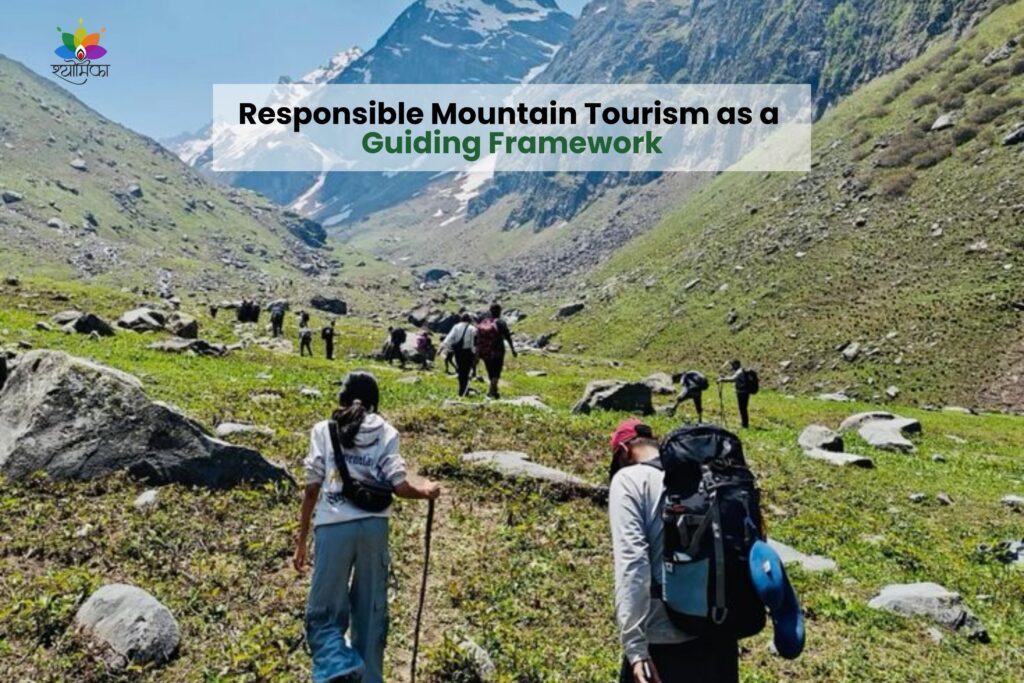
Responsible Mountain Tourism as a Guiding Framework
Ethical travel practices form the foundation of long-term sustainability.
What Responsible Tourism Looks Like
- Responsible mountain tourism emphasizes:
- Low-impact travel behavior
- Respect for local customs
- Support for conservation initiatives
- Travelers become participants in preservation rather than passive consumers of nature.
The Role of Awareness
Education helps visitors understand:
- Why certain areas are restricted
- How their actions affect ecosystems
- What responsible choices look like on the ground
Awareness turns intention into action.
Balancing Tourism and Conservation Through Sustainable Tourism
Finding equilibrium between economic opportunity and ecological protection is complex.
The Core Challenge
Balancing tourism and conservation requires:
- Limiting overuse of sensitive areas
- Managing visitor numbers
- Designing infrastructure that blends with nature
Unchecked tourism may generate short-term gains but leads to long-term losses.
Planning for Long-Term Impact
Effective planning considers:
- Carrying capacity of landscapes
- Seasonal variations
- Cumulative environmental effects
This approach ensures tourism remains viable for future generations.
Protecting Biodiversity Through Mountain Ecosystem Conservation
Mountains are biodiversity hotspots.
Why Conservation Is Critical
Mountain ecosystem conservation protects:
- Endemic plant species
- Wildlife migration routes
- Watersheds that support downstream communities
Tourism that ignores these factors can disrupt entire ecological networks.
Tourism as a Conservation Ally
When managed well, tourism can:
- Fund conservation projects
- Support protected areas
- Encourage habitat restoration
The goal is alignment, not opposition.
Community-Based Tourism and Local Empowerment
Local communities are the true stewards of mountain landscapes.
Why Community Involvement Matters
Community based tourism ensures:
- Economic benefits stay local
- Cultural traditions are preserved
- Decision-making includes residents
Without community participation, sustainability efforts often fail.
Building Local Ownership
Successful initiatives:
- Train local guides
- Support homestays and small enterprises
- Encourage youth participation
Empowered communities are more invested in protecting their environment.
Cultural Preservation Alongside Natural Protection
Mountains are not just ecological spaces—they are cultural landscapes.
Tourism’s Cultural Impact
Tourism can:
- Revive traditional crafts
- Promote local languages and food
- Strengthen cultural pride
But without care, it can also commercialize or erode traditions.
Respectful Engagement
Visitors should:
- Learn local customs
- Ask before photographing people
- Support authentic cultural experiences
Cultural respect is a pillar of sustainability.
Managing Infrastructure Development Responsibly
Infrastructure is necessary—but it must be thoughtful.
Risks of Poor Planning
- Road construction causing landslides
- Overbuilding hotels and resorts
- Increased waste and water usage
Poorly planned development can permanently alter landscapes.
Sustainable Infrastructure Solutions
- Eco-friendly construction materials
- Renewable energy use
- Waste and water management systems
Smart infrastructure reduces long-term environmental costs.
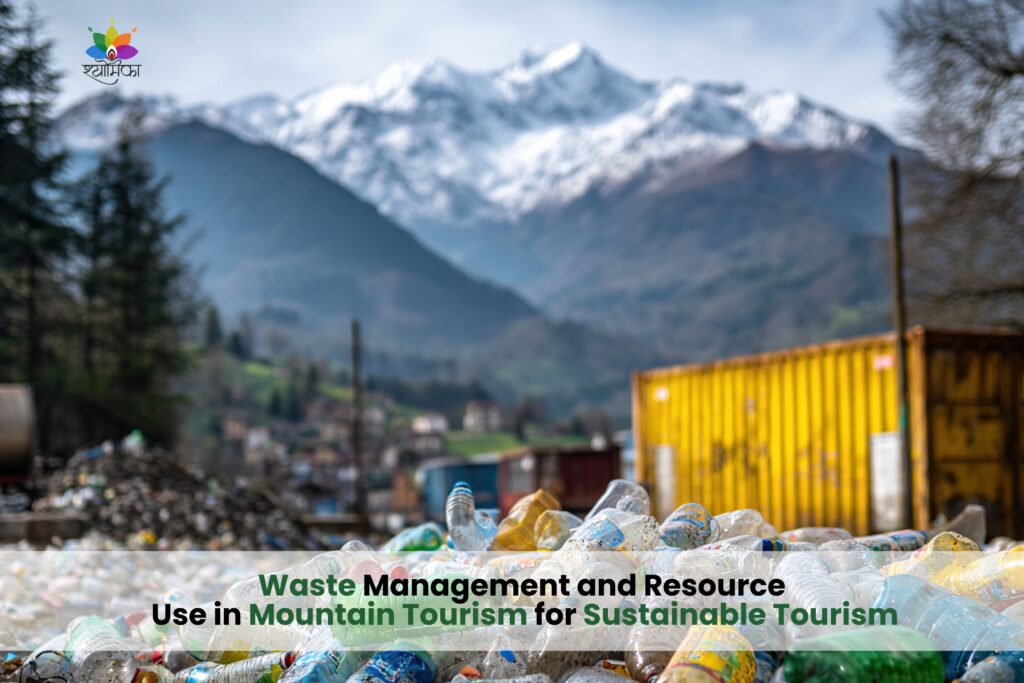
Waste Management and Resource Use in Mountain Tourism for Sustainable Tourism
Waste is one of the most visible impacts of tourism.
Common Challenges
- Plastic pollution
- Improper waste disposal
- Limited recycling facilities
Mountains often lack the capacity to handle large volumes of waste.
Responsible Practices
- Carry-in, carry-out policies
- Ban on single-use plastics
- Visitor education programs
Small actions collectively make a significant difference.
The Role of NGOs and Foundations
Nonprofit organizations play a crucial role in sustainable tourism.
How Foundations Contribute
- Community education
- Conservation funding
- Policy advocacy
Organizations like Shyomika Foundation work to integrate conservation, community welfare and responsible tourism into a unified vision for mountain regions.
Education as a Tool for Sustainable Change
Long-term sustainability depends on knowledge.
Educating Visitors
Awareness programs help travelers:
- Understand environmental sensitivity
- Make informed choices
- Respect local guidelines
Educating Communities
Local education empowers residents to:
- Manage tourism sustainably
- Advocate for conservation
- Protect cultural identity
Education bridges intention and impact.
Policy, Regulation, and Governance
Sustainable tourism requires supportive frameworks.
Importance of Regulation
Policies help:
- Control visitor numbers
- Protect sensitive zones
- Ensure fair economic distribution
Without governance, sustainability remains aspirational rather than actionable.
The Future of Mountain Tourism
Tourism in mountain regions is at a crossroads.
Emerging Trends
- Smaller groups and longer stays
- Increased focus on learning and contribution
- Preference for low-impact experiences
These trends align naturally with sustainability goals.
A Shared Responsibility
Governments, communities, travelers and organizations must work together to protect mountain ecosystems.
Frequently Asked Questions (FAQs)
1.What is sustainable tourism in mountain regions?
It is tourism that protects ecosystems, respects cultures and supports local communities.
2.Why are mountains more sensitive to tourism impacts?
Their ecosystems recover slowly and are easily disrupted by human activity.
3.How can travelers support sustainability?
By choosing responsible operators, reducing waste and respecting local guidelines.
4.What role do local communities play in sustainable tourism?
They manage resources, preserve culture, and ensure tourism benefits are shared fairly.
5.Can tourism actually help conservation?
Yes, when revenue supports protection efforts and responsible practices are followed.
6.Who is responsible for sustainable mountain tourism?
Everyone involved—travelers, communities, policymakers and organizations.
Conclusion
Mountain regions offer some of the most powerful and transformative travel experiences in the world. Yet their beauty and ecological value also make them vulnerable. The future of travel in these landscapes depends on thoughtful choices that prioritize preservation alongside enjoyment. By embracing sustainable mountain tourism, stakeholders can ensure that visitor experiences enrich rather than degrade natural environments. Through responsible practices, community participation, education and conservation-focused planning, mountain tourism can become a force for protection rather than pressure. For organizations like Shyomika Foundation, this balance is not just an ideal—it is a responsibility toward both people and the planet.