
Local Wildlife plays a crucial role in maintaining nature’s balance, yet many species struggle as cities grow, forests shrink, and human activities expand. As communities aim to live more sustainably, understanding how to coexist with the creatures around us becomes more important than ever. This guide explores how every individual can help protect nature’s delicate harmony and create a safer environment for all living beings.
Coexisting with Local Wildlife does not require complex strategies or scientific expertise—it begins with awareness, empathy, and simple daily actions. Our local ecosystems thrive when humans take responsibility and choose compassion over conflict.
Understanding the Importance of Local Wildlife
Local Wildlife contributes to healthy ecosystems by supporting pollination, seed dispersal, pest control, and soil fertility. Without them, natural systems collapse. Here’s why they matter:
Wildlife Keeps Ecosystems Stable
From tiny insects to large mammals, wildlife helps maintain natural balance. Birds control pests; bees pollinate crops; snakes regulate rodent populations. Every species has a purpose.
Wildlife Supports Human Well-being
Healthy environments support cleaner air, fertile soil, and stable climate conditions. By supporting wildlife, we safeguard our own health and security.
Wildlife Encourages Healthy Biodiversity
Biodiversity ensures that ecosystems can adapt to climate change, diseases, and natural disasters. Protecting Local Wildlife ensures long-term sustainability.
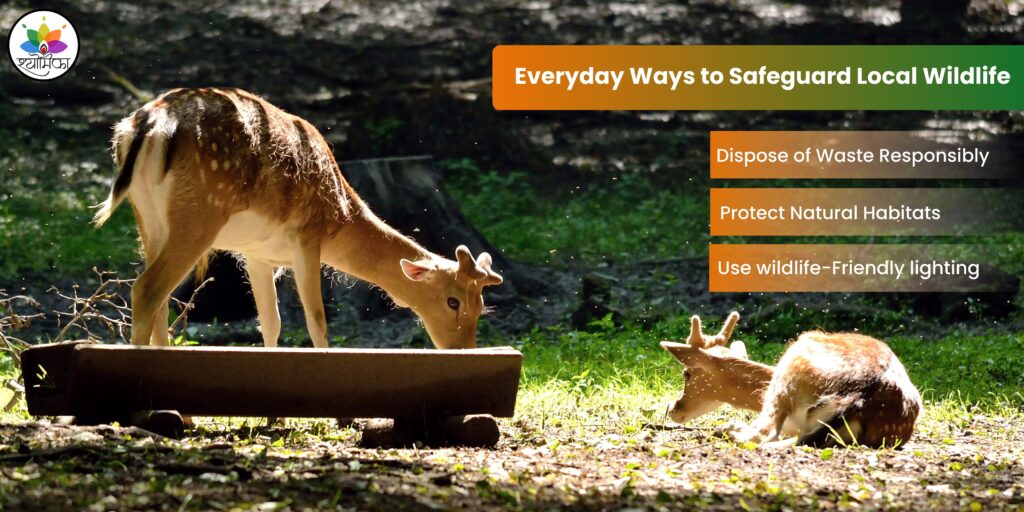
Everyday Ways to Safeguard Local Wildlife
Simple daily habits can significantly reduce the impact we have on nearby animals. Even small changes lead to meaningful results.
Dispose of Waste Responsibly
Trash attracts animals, exposes them to harmful substances, and disrupts natural feeding habits. Always seal bins tightly and reduce plastic use.
Protect Natural Habitats
Avoid clearing shrubs, cutting trees unnecessarily, or disturbing nests and dens. Every piece of habitat matters to wildlife survival.
Use Wildlife-Friendly Lighting
Bright lights confuse nocturnal animals. Choose warm, low-intensity lights to protect night-active creatures like owls, bats, and insects.
Creating Safe Spaces for Local Wildlife at Home
Designing wildlife-friendly spaces supports harmony between humans and animals.
Build Birdhouses and Feeders
Birdhouses offer shelter during harsh weather. However, feeders should be maintained regularly to prevent disease.
Provide Clean Water Sources
Small water bowls, birdbaths, or mini ponds help animals stay hydrated during dry seasons.
Grow Native Plants
Native flora provides natural food sources and shelter, helping butterflies, bees, and birds thrive.
Preventing Conflicts with Local Wildlife
Coexistence doesn’t mean animals will never enter human spaces. Instead, it means learning to handle encounters safely.
Secure Food and Pet Items
Unsecured food attracts animals like monkeys, raccoons, or stray dogs. Keeping food sealed minimizes unwanted visits.
Avoid Feeding Wild Animals
While it may seem kind, feeding animals causes dependency, aggression, and unnatural behaviors.
Know How to Respond to Encounters
Maintain distance, stay calm, and allow the animal a clear exit path. Never chase or harm wildlife.
How Communities Can Support Local Wildlife
Community action multiplies the impact of individual efforts.
Support Wildlife Conservation Groups
Organizations like
Shyomika Foundation work tirelessly to rescue animals, protect habitats, and educate the public.
Promote Wildlife Education
Schools, community centers, and local events can raise awareness about coexistence strategies.
Participate in Clean-Up Drives
Removing pollution from forests, beaches, and neighborhoods helps wildlife stay safe and healthy.
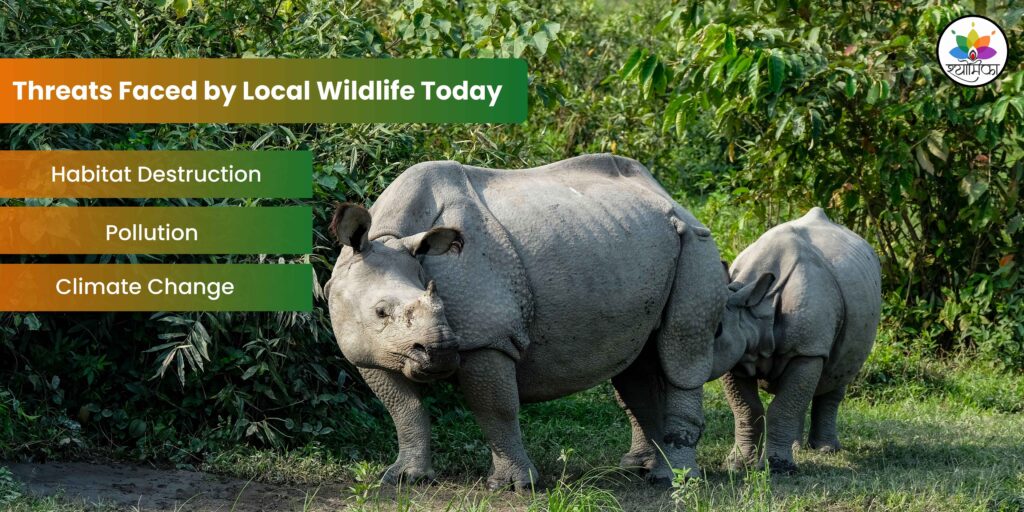
Threats Faced by Local Wildlife Today
Understanding the dangers wildlife faces helps us take stronger action.
Habitat Destruction
Urbanization reduces the natural spaces animals depend on for food and shelter.
Pollution
Plastic, chemicals, and noise pollution disrupt wildlife behavior and cause health issues.
Climate Change
Temperature changes affect migration, breeding patterns, and food availability.
The Role of Technology in Protecting Local Wildlife
Modern tools make conservation more effective and accessible.
GPS and Tracking Tools
Tracking animals helps researchers monitor migration and survival patterns.
Drones for Habitat Mapping
Drones capture real-time data about forests, wetlands, and wildlife movements.
Mobile Apps for Identification
Apps help citizens report sightings, injured animals, or environmental damage.
How Children Can Help Protect Local Wildlife
Even children can make a positive difference with guidance and education.
Learn About Native Species
Encouraging curiosity helps build empathy for local animals.
Participate in School Projects
Tree planting, recycling programs, and awareness campaigns empower young minds.
Choose Eco-Friendly Habits
Reducing plastic and saving water instills responsibility early.
How Shyomika Foundation Helps Local Wildlife
The Shyomika Foundationplays a vital role in protecting India’s precious wildlife.
Rescue and Rehabilitation
Injured animals receive timely medical care and safe release.
Habitat Conservation Projects
The foundation works to restore natural areas affected by human activity.
Community Education Programs
Workshops and awareness sessions teach villagers and city residents how to live peacefully with wildlife.
Frequently Asked Questions (FAQs)
1. Why is Local Wildlife important?
Local Wildlife maintains ecological balance, controls pests, and supports biodiversity.
2. How can I help protect wildlife near my home?
Maintain clean surroundings, avoid feeding animals, and preserve natural habitats around your home.
3. Is it safe to interact with wild animals?
No. It’s best to observe from a distance. Avoid direct contact and allow animals their natural space.
4. What should I do if I find an injured animal?
Contact local wildlife authorities or foundations like Shyomika Foundation for rescue support.
5. How can communities help protect wildlife?
Through education, cleanup drives, habitat restoration, and supporting conservation groups.
6. Why shouldn’t we feed wild animals?
Feeding alters natural behaviors, creates dependency, and may lead to conflict.
Conclusion
Coexisting with Local Wildlife is not just a responsibility—it’s a shared mission to protect the creatures that make our world vibrant and sustainable. When we treat the earth with respect, nature responds with harmony. Simple actions, mindful habits, and community collaboration can create a peaceful future for both humans and wildlife.