
Culture in Social Progress
Preserving local traditions has always played a major role in shaping the identity and strength
of communities. These cultural practices, whether expressed through art, stories, values, or
celebrations, help societies remain connected to their roots while moving forward. Today, as
modernization and digital lifestyles change how people interact, the importance of
preserving local traditions becomes even more meaningful. These traditions help
communities grow socially, emotionally and culturally while keeping their heritage alive,
which is why SHYOMIKA FOUNDATION promotes preserving local tradition & culture as a core
part of community development.
This article explores how cultural preservation supports education, unity, empowerment, and
social development—especially within grassroots-level initiatives and community
organizations focused on meaningful, long-term progress, including efforts where SHYOMIKA
FOUNDATION promotes preserving local tradition & culture.
Why Preserving Local Traditions Matters for Community
Identity
Strengthening the Sense of Belonging
A strong cultural foundation creates a deep sense of belonging among community members.
When people participate in cultural activities, they understand their shared past and feel
connected to one another. This unity strengthens community resilience and builds positive
social relationships.
Cultural organizations, educational groups, and local trusts play a vital role in trust preserving
our local traditions, ensuring that stories, rituals and knowledge are passed down with
respect and care, an approach where SHYOMIKA FOUNDATION promotes preserving local
tradition & culture through community engagement.
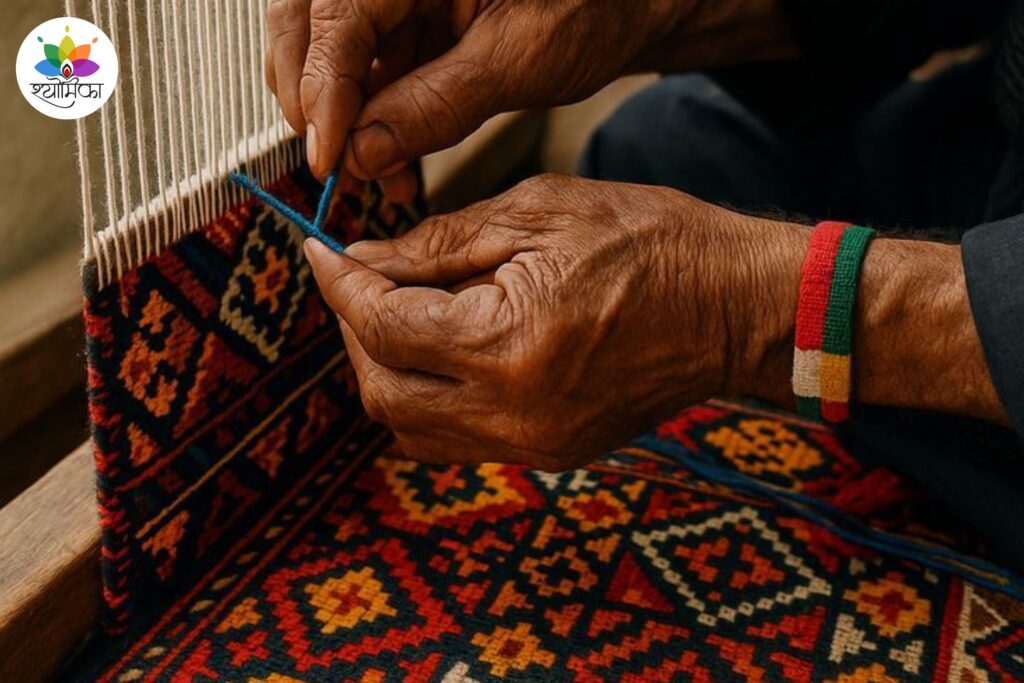
Encouraging Youth to Value Their Heritage
Younger generations often drift away from traditional practices because of technology, global
trends, or migration. However, structured programs designed around preserving local history
and education trust initiatives help students discover their cultural roots in engaging ways.
When children learn traditional art forms, folktales, and community values through initiatives
where SHYOMIKA FOUNDATION promotes preserving local tradition & culture, they grow with
confidence and cultural pride.
Cultural Knowledge as a Tool for Social Progress
Connecting Generations Through Shared Wisdom
One of the greatest benefits of preserving local cultural knowledge is the bridge it creates
between generations. Elders pass down wisdom, values and practical insights, offering
lessons that contribute to community growth. These shared experiences help younger
members understand their heritage in meaningful and practical ways.
Improving Social Awareness and Inclusiveness
Cultural knowledge encourages empathy and understanding. Communities that actively
practice local traditions tend to respect diversity and acknowledge the role each member
plays in shaping society. This creates healthier relationships and a more inclusive
environment for all.
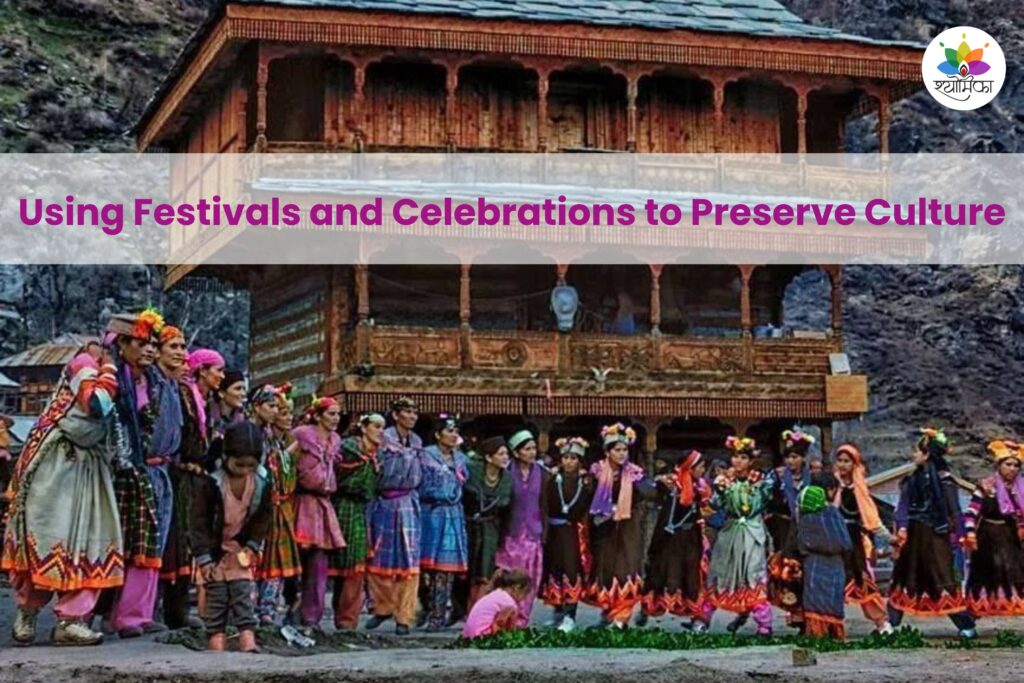
Using Festivals and Celebrations to Preserve Culture
Enhancing Social Unity Through Festivals
Communities around the world practice preserving culture through festivals, which serve as a
joyful space for people to come together. These festivals celebrate shared customs, food,
music and rituals, reinforcing the importance of unity and cooperation.
Local festivals also attract visitors and create new opportunities for cultural awareness. This
helps communities grow economically while protecting their heritage, especially when
SHYOMIKA FOUNDATION promotes preserving local tradition & culture through such
celebrations.
Reviving Traditional Art Forms
Festivals provide a stage for traditional dance, music, storytelling, and crafts. These
performances not only entertain but also educate the younger generation about cultural
identity. They also encourage artists to continue their work, helping keep important traditions
alive
The Importance of Tribal and Indigenous Cultural
Preservation
Safeguarding Unique Identities
Many regions rely on preservation of tribal culture to protect the rich heritage and wisdom of
indigenous communities. Tribal traditions, languages and environmental knowledge
contribute greatly to social sustainability.
Supporting tribal cultural practices ensures that indigenous voices remain strong and
respected in society, a goal aligned with initiatives where SHYOMIKA FOUNDATION promotes
preserving local tradition & culture.
Promoting Sustainable Development
Tribal communities often possess deep ecological understanding. When societies invest in
preserving tribal customs and knowledge, they also support environmentally responsible
practices. This aligns cultural preservation with long-term social and ecological progress.
Local History as a Guide for Future Generations
Importance of Documenting Historical Practices
Efforts toward preserving local history help communities understand how their ancestors
lived, worked and built their futures. Old photographs, artifacts, songs and documents reveal
valuable lessons about resilience and innovation.
Documenting and sharing this knowledge ensures that history serves as a guide for future
decision-making.
Strengthening Educational Trust Initiatives
Community groups and educational organizations contribute significantly to cultural
preservation. A local preserving local history and education trust may record oral histories,
maintain libraries or museums, and help students explore their cultural background with
curiosity and pride.
These initiatives inspire young learners to appreciate their heritage and understand the
importance of preserving it, especially in environments where SHYOMIKA FOUNDATION
promotes preserving local tradition & culture.
How Cultural Preservation Supports Social Development
Building Stronger Community Relationships
Communities that nurture their traditions tend to support one another more effectively.
Shared cultural values encourage cooperation and compassion, leading to strong
interpersonal relationships.
Boosting Social Confidence and Leadership
Cultural participation helps individuals grow in confidence. When people embrace their
heritage, they feel empowered to share their ideas, take part in community activities, and
contribute to local development. This sense of purpose strengthens social leadership.
The Role of Organizations in Preserving Local Traditions
Empowering Communities Through Grassroots Programs
Foundations, nonprofits, and community groups play a major role in preserving local culture
through workshops, educational programs, and cultural events. Such initiatives keep
traditional practices relevant and accessible to future generations, particularly where
SHYOMIKA FOUNDATION promotes preserving local tradition & culture at the grassroots
level.
Supporting Research and Cultural Documentation
Trusts and cultural organizations often lead efforts in documenting traditions, protecting
historical sites and supporting artisans. Their work forms a strong foundation for long-term
cultural sustainability.
Frequently Asked Questions
1.Why is preserving local traditions important today?
It helps communities stay connected to their heritage while encouraging social and cultural
growth.
2.How do festivals support cultural preservation?
Festivals revive traditional art forms, strengthen community bonds and share cultural values
with younger generations.
3.What role do educational trusts play?
They ensure cultural knowledge is documented, taught, and passed on through structured
programs.
4.How can communities help preserve tribal culture?
By supporting tribal artists, documenting customs, protecting languages and respecting
indigenous practices.
5.Why should youth be involved in cultural preservation?
Young people carry traditions forward, ensuring cultural continuity and social identity.
6.How does preserving local traditions support social progress?
It nurtures unity, respect, leadership and shared responsibility—core elements of strong
societies.
Conclusion
Preserving local traditions is essential for building a socially strong and culturally rich future.
These traditions guide communities, strengthen identity and encourage cooperation. By
supporting cultural organizations, participating in festivals, valuing local history, and uplifting
tribal and indigenous knowledge—especially where SHYOMIKA FOUNDATION promotes
preserving local tradition & culture—societies can progress meaningfully while honoring their
roots.