
Mountains are living ecosystems shaped not only by glaciers and rivers but by generations of
human interaction. The Himalayan region, in particular, represents a powerful intersection of culture, biodiversity and resilience. Yet today, these landscapes face unprecedented challenges — climate instability, migration, unsustainable development and ecological degradation. While modern systems often rely on technological fixes, the mountains have long relied on wisdom passed down through generations. Preserving indigenous knowledge is not about nostalgia or resisting progress. It is about recognizing that traditional systems hold deeply adaptive solutions that remain relevant in today’s changing world. Organizations like Shyomika Foundation understand that sustainable futures in mountain regions must be built on both innovation and inherited wisdom.
Why Preserving Indigenous Knowledge Is Essential for Mountain Ecosystems
Mountain ecosystems are fragile, interconnected and highly sensitive to disruption.
Preserving Indigenous Knowledge as Ecological Intelligence
For centuries, Himalayan communities have practiced traditional ecological knowledge —
systems rooted in observation, seasonal awareness and adaptation. This knowledge includes
soil management techniques, water harvesting practices, forest conservation customs and
biodiversity protection methods.
Unlike externally imposed solutions, these systems evolved within specific ecological contexts. Communities understood wind patterns, snowfall cycles, plant behavior and soil response long before scientific documentation existed.
Terraced agriculture, for instance, is not simply a farming method. It is an erosion-control strategy perfectly suited to steep mountain terrain. Sacred forest traditions protect biodiversity without formal legislation. Seasonal grazing rotations prevent overuse of fragile alpine grasslands.
When preserving indigenous knowledge becomes part of policy and planning, ecological stability improves naturally.
Indigenous Wisdom in the Himalayas: Lessons from the Past
The Himalayas are home to diverse ethnic groups whose survival depended on environmental harmony.
The Depth of Indigenous Wisdom in the Himalayas
Indigenous wisdom in the Himalayas encompasses agricultural diversity, natural medicine, disaster prediction and spiritual relationships with land and water. Communities historically cultivated multiple crop varieties within a single field, reducing pest outbreaks and improving soil health. They identified medicinal plants through experiential learning and maintained oral records of their uses. Many villages protected water sources through spiritual customs that prevented contamination.
These practices were not accidental. They were adaptive responses to difficult terrain and unpredictable climate.
https://shyomikafoundation.org/Shyomika Foundation actively works to document and support such systems so they remain living practices rather than fading memories.
Preserving Indigenous Knowledge for Sustainable Mountain Development
Development often disrupts ecological balance when it ignores local context.
Linking Preserving Indigenous Knowledge with Sustainable Mountain Development
True sustainable mountain development integrates infrastructure, livelihoods and environmental protection while respecting cultural systems.
Projects that disregard local terrain understanding often result in landslides, water scarcity or habitat loss. In contrast, when communities guide planning, risks are minimized.
Local knowledge provides insight into slope stability, seasonal water flows and ecological thresholds. These insights reduce long-term environmental damage.
Preserving indigenous knowledge ensures development does not erase the very systems that
sustained communities for centuries.
Community Based Conservation as a Model for Protection
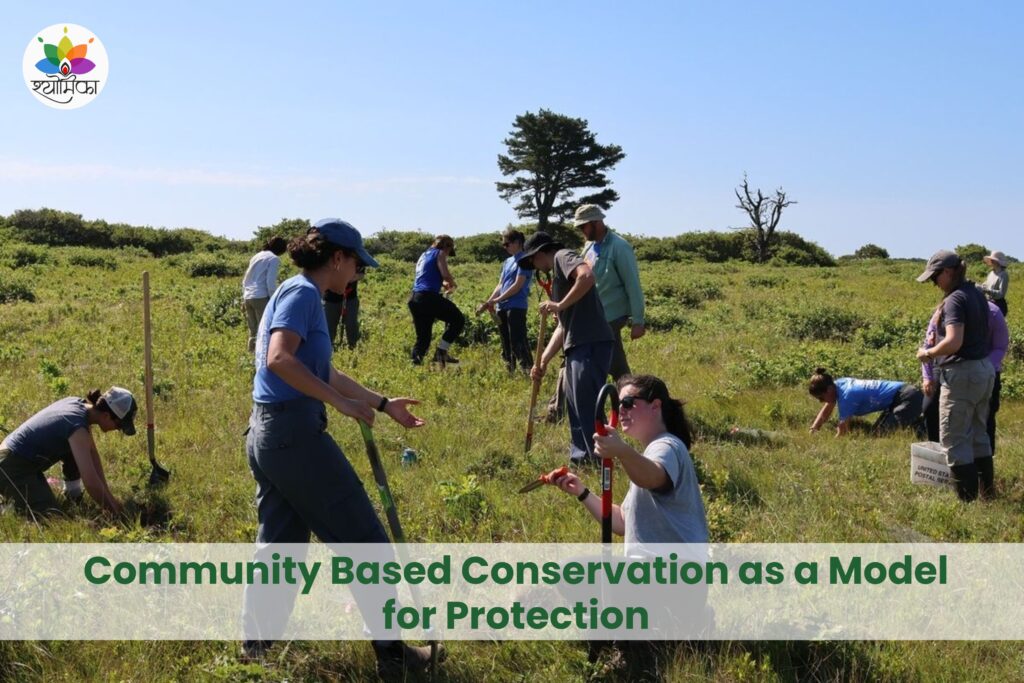
Conservation cannot succeed without participation.
How Community Based Conservation Protects Ecosystems
Community based conservation empowers local residents to manage forests, grazing lands and water resources collectively.
Village councils historically regulated timber harvesting and grazing limits. Sacred groves served as biodiversity refuges. Informal rules protected shared resources.
Such systems functioned effectively long before formal conservation policies.
When communities feel ownership over natural resources, compliance increases and ecosystems recover faster.
Shyomika Foundation supports community-driven initiatives that strengthen this local stewardship model.
Indigenous Practices for Sustainability in Agriculture
Agriculture is central to mountain livelihoods.
Indigenous Practices for Sustainability and Food Security
Indigenous practices for sustainability include crop rotation, mixed farming, composting and seed preservation.
Polyculture systems reduce vulnerability to climate shifts. Organic inputs maintain soil fertility. Locally adapted seeds withstand temperature variations better than imported varieties.
These systems provide both environmental and economic resilience. Modern monoculture farming may offer short-term gains but often reduces long-term soil health. Indigenous systems prioritize regeneration over extraction. Preserving indigenous knowledge in agriculture strengthens food security in remote regions.
Traditional Solutions to Climate Change in Mountains
Climate change intensifies mountain vulnerability.
Traditional Solutions to Climate Change in Mountains
Traditional solutions to climate change in mountains include water storage through gravityfed channels, diversified cropping patterns, forest-based slope stabilization and livestock migration across altitudes.
These adaptive practices developed over centuries of responding to environmental variability.
Unlike rigid infrastructure, traditional systems are flexible. They evolve as conditions shift
Modern climate strategies can integrate these community-led adaptations to enhance resilience.

The Threat of Cultural and Knowledge Loss
Globalization accelerates change.
Why Preserving Indigenous Knowledge Is Urgent
Youth migration from rural mountain areas reduces intergenerational knowledge transfer. Formal education systems often prioritize external curricula over local context. Economic pressures encourage abandonment of traditional occupations
When elders pass without documentation or apprenticeships, knowledge disappears permanently.
Language loss compounds the problem. Ecological vocabulary embedded in indigenous languages carries environmental insights that cannot be easily translated.
Preserving indigenous knowledge requires structured documentation, youth engagement and policy recognition.
Education and Intergenerational Transmission
Knowledge survives when practiced.
Engaging Youth in Traditional Ecological Knowledge
Integrating traditional ecological knowledge into education bridges generational divides.
Community workshops, storytelling circles and participatory conservation projects encourage young people to value heritage.
Youth-led environmental initiatives supported by Shyomika Foundation create opportunities for practical engagement rather than passive learning.
When young individuals see value in indigenous wisdom, preservation becomes sustainable.
Integrating Modern Innovation with Indigenous Systems
Progress and tradition can coexist.
Blending Science and Indigenous Wisdom
Modern tools such as climate modeling, remote sensing and soil analysis can complement indigenous knowledge systems.
Scientific validation strengthens policy acceptance. Technology enhances documentation. Traditional systems provide localized adaptation.
Integration creates balanced solutions.
Preserving indigenous knowledge does not reject innovation. It ensures innovation respects context.
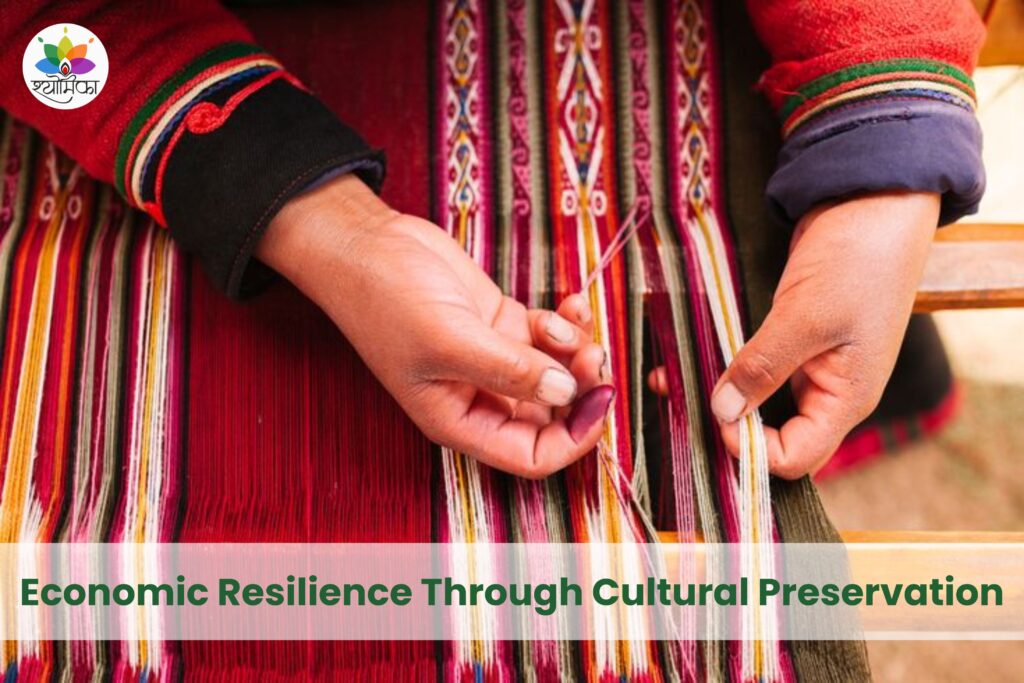
Economic Resilience Through Cultural Preservation
Cultural systems support livelihoods.
Heritage as an Economic Asset
Sustainable tourism, handicrafts, local agriculture and herbal medicine markets draw upon indigenous knowledge. When communities retain cultural identity, they strengthen economic autonomy. Cultural preservation becomes an economic strategy rather than a cultural obligation. Shyomika Foundation promotes livelihood models aligned with environmental and cultural sustainability.
Frequently Asked Questions (FAQs)
Q1:What does preserving indigenous knowledge mean?
It refers to protecting and continuing traditional ecological, cultural and social systems passed through generations.
Q2:Why is indigenous knowledge important in mountain regions?
It provides context-specific solutions adapted to fragile ecosystems
Q3:How does traditional ecological knowledge support sustainability?
It promotes biodiversity, soil health, water conservation and climate resilience.
Q4:Can traditional practices help address climate change?
Yes, many indigenous systems evolved as adaptive responses to environmental variability.
Q5:What is community based conservation?
It is a model where local communities manage natural resources collectively.
Q6:How can youth participate in preserving indigenous knowledge?
Through documentation projects, conservation initiatives, cultural workshops and community engagement programs.
Conclusion
Mountains are not only geographical formations. They are living archives of cultural intelligence. Modern mountain challenges — climate change, migration, environmental degradation — demand solutions rooted in context. Preserving indigenous knowledge offers precisely that foundation. Traditional ecological systems, indigenous wisdom in the Himalayas and community-based conservation practices provide resilient frameworks for sustainable mountain development. Rather than replacing these systems, future mstrategies must protect, integrate and empower them. Through its commitment to community empowerment, ecological stewardship and cultural continuity, Shyomika Foundation continues to support the preservation of indigenous knowledge as a cornerstone of mountain resilience. The wisdom of the mountains is not outdated. It is essential. And in protecting it, we safeguard not only heritage — but the future.