
India is going through a quick change to digital. Digital platforms, smartphones and internet access are changing the way people talk to each other, learn and work. Cities have quickly adapted to these new technologies, but rural areas still have trouble getting to and using digital tools well. This is where digital literacy in rural India becomes very important.
Digital literacy refers to the ability to use digital devices, online platforms and modern technology to access information, communicate and solve problems. In rural communities, digital literacy is not only about using the internet—it is about empowering people with knowledge and opportunities that were once out of reach.
When people in rural areas can use digital education and technology, they can be more involved in social, economic and educational progress. Groups like the Shyomika Foundation are working toward this goal by funding digital learning programs that help communities use technology and make their lives better.
Digital Literacy Rural India and Its Growing Importance
Understanding the Importance of Digital Literacy
The importance of digital literacy has increased significantly in the modern world. Today, many essential services such as banking, education and government programs operate through digital platforms. Without digital knowledge, rural communities may struggle to access these services effectively. Digital literacy enables individuals to
- Access government schemes online
- Use digital payment systems
- Learn through online educational resources
- Explore employment opportunities
For rural populations, these abilities are transformative because they connect individuals to national and global opportunities.
Digital Literacy Rural India as a Development Tool
Digital literacy in rural India means more than just knowing how to use a computer. It means showing people how to use digital tools to make their lives better, learn more and talk to each other.
When people in rural areas learn digital skills, they become more independent and sure of how to use modern systems.
Digital Literacy Rural India and Rural Digital Education
Expanding Rural Digital Education Opportunities
Education plays a central role in empowering communities. Rural digital education introduces students and adults to technology, helping them understand how digital tools can support learning and career development.
Digital classrooms, online tutorials and educational apps allow rural learners to access high-quality learning resources that were previously limited to urban areas.
When digital learning platforms reach rural regions, they help students compete on equal footing with their urban counterparts.
Digital Literacy Rural India in Schools
Schools are one of the best places to teach people in rural India how to use technology. Students will be better prepared for jobs in a world where technology is important if they learn how to use computers, the internet and digital learning programs in school.
Schools can help raise a generation that is comfortable with modern technology by teaching kids how to use online platforms safely.
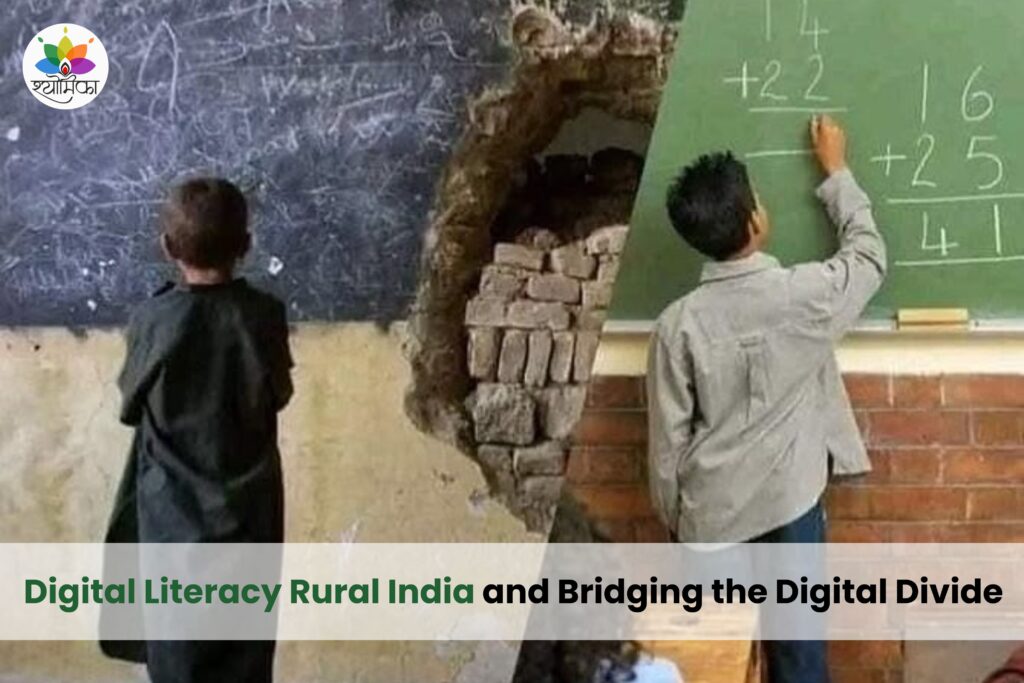
Digital Literacy Rural India and Bridging the Digital Divide
The Challenge of the Digital Divide
The digital divide refers to the gap between individuals who have access to modern technology and those who do not. Many rural communities still lack reliable internet access, digital devices and technological awareness.
Bridging the digital divide is essential for ensuring equal opportunities across the country.
Digital literacy programs help overcome these challenges by teaching people how to use available technology effectively
Digital Literacy Rural India as a Solution
Promoting digital literacy rural India is one of the most effective ways to reduce inequality in access to information and technology.
When rural communities become digitally skilled, they can connect with educational resources, healthcare services and government programs without geographical barriers.
Organizations like Shyomika Foundation are helping communities take important steps toward digital inclusion by supporting training initiatives and awareness programs.
Digital Literacy Rural India and Digital Empowerment in Rural Communities
Strengthening Digital Empowerment in Rural Communities
Technology can empower individuals to take control of their economic and social futures. Digital empowerment in rural communities enables people to start businesses, access markets and manage finances digitally.
Farmers, for example, can use digital tools to check crop prices, weather forecasts and agricultural advice.
Small business owners can promote products through online platforms and digital marketplaces.
Digital Literacy Rural India Supporting Entrepreneurship
Entrepreneurship in rural areas often faces limitations due to lack of resources and market access.
Through digital literacy rural India, individuals can use digital platforms to expand their reach, attract customers and build sustainable businesses.
Digital skills enable rural entrepreneurs to compete in broader markets.
Digital Literacy Rural India and Digital Skills for Rural Youth
Building Digital Skills for Rural Youth
Young people in rural areas represent a powerful force for change. Providing digital skills for rural youth helps them participate in emerging industries and career opportunities.
Learning skills such as computer operation, online communication and digital marketing can open new employment possibilities.
Preparing Rural Youth for Future Careers
As industries become more dependent on technology, young people who know how to use computers will have more job options.
Teaching young people in rural India how to use technology will make sure that rural areas don’t fall behind in the modern workforce.
The Shyomika Foundation supports programs that give young people the digital tools they need to have successful futures.
Digital Literacy Rural India and Digital Inclusion in India
Promoting Digital Inclusion in India
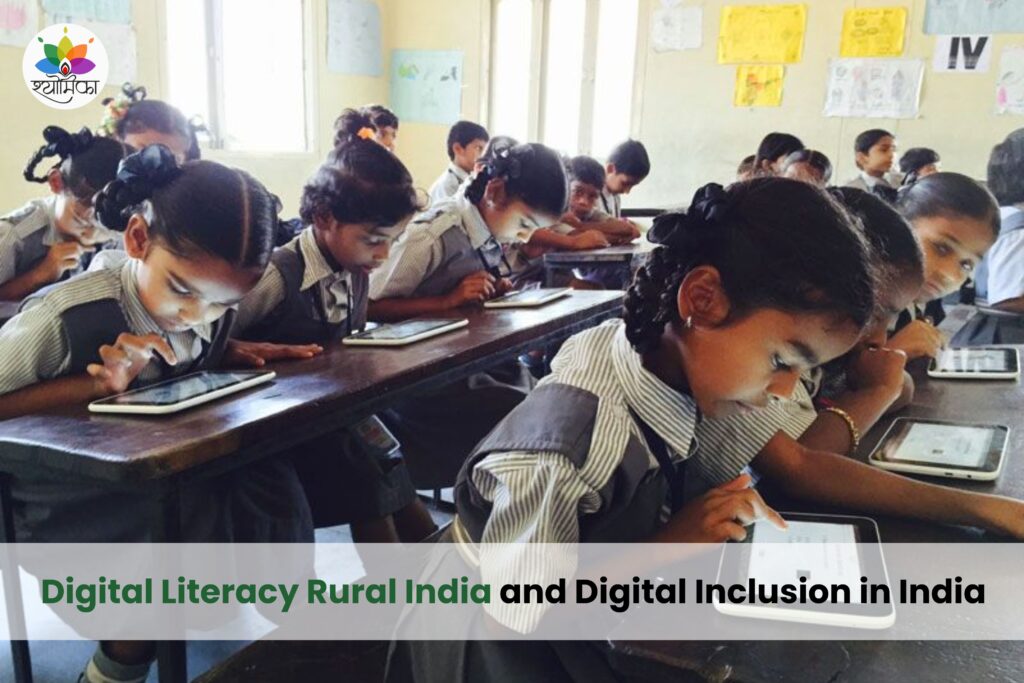
Digital inclusion ensures that every individual has equal access to technology, regardless of their geographic or economic background.
Encouraging digital inclusion in India means expanding internet access, digital training programs and technology infrastructure in rural areas.
How Digital Literacy Rural India Supports Inclusion
When rural communities learn digital skills, they gain the ability to participate in the digital economy.
Digital literacy enables individuals to access government services, educational resources and financial platforms that improve their standard of living.
Digital Literacy Rural India and Rural Development Through Technology
Transforming Communities Through Technology
Technology has the potential to transform rural communities by improving access to services and opportunities.
Rural development through technology can improve sectors such as agriculture, healthcare and education. For example:
- Farmers can access market prices online
- Telemedicine services connect rural patients with doctors
- Digital platforms provide remote learning opportunities
Long-Term Impact of Digital Literacy Rural India
The long-term impact of digital literacy rural India extends beyond individual benefits. It strengthens communities by improving economic growth, educational access and social connectivity.
By investing in digital education, rural regions can become active contributors to national development.
Organizations such as Shyomika Foundation are committed to empowering rural communities through digital learning initiatives and community development programs.
Frequently Asked Questions About Digital Literacy Rural India
1.What is digital literacy rural India?
Digital literacy rural India refers to teaching rural communities how to use digital devices, internet services and online platforms effectively.
2.Why is digital literacy important in rural areas?
Digital literacy helps rural populations access education, government services, employment opportunities and financial platforms.
3.How does digital literacy help rural youth?
Digital literacy provides rural youth with skills needed for modern careers and improves their access to education and job opportunities.
4.What role do organizations play in digital education?
Organizations such as Shyomika Foundation promote digital education programs that help communities gain essential technological skills.
5How does digital literacy contribute to rural development?.
Digital literacy supports economic growth, improves education and strengthens access to information and services.
6.What are the main challenges to digital literacy in rural India?
Challenges include limited internet access, lack of digital infrastructure and limited awareness about technology.
Conclusion: Digital Literacy Rural India as a Path to Progress
Technology and digital knowledge are very important for the future of rural India. Digital literacy in rural India isn’t just about learning how to use devices; it’s also about giving communities the tools they need to be a part of the modern world.
Digital literacy can change rural communities by making schools and jobs better, boosting entrepreneurship and making people feel more included in society.
Organizations like the Shyomika Foundation are helping to make rural India more inclusive and powerful by supporting digital education programs and encouraging people to use technology.
As technology keeps changing, it will be important to keep investing in digital literacy so that people in rural areas can benefit from the country’s growth and success.