
The Himalayas, often called the “Third Pole,” store the largest reserves of ice and freshwater outside the Arctic and Antarctic. These mountains regulate weather patterns, feed major rivers, and support nearly two billion people across Asia. However, the climate change impact on the Himalayas is unfolding faster than in many other regions of the world.
Rising temperatures, unpredictable snowfall, shrinking glaciers, and prolonged dry spells— commonly referred to as ice droughts—are transforming the Himalayan ecosystem. What once seemed remote is now a global concern, affecting water security, biodiversity, livelihoods, and climate stability far beyond the mountains.
Organizations like Shyomika Foundation are working to raise awareness, support research, and empower local communities to adapt to these accelerating changes. This blog explores how climate change is reshaping the Himalayas, why ice droughts are becoming more frequent, and what this means for our shared future.
What Is an Ice Drought in the Himalayas?
Defining Ice Drought
An ice drought occurs when snowfall and glacial ice accumulation are insufficient to sustain rivers and groundwater systems. Unlike sudden floods, ice droughts are slow, silent, and devastating—one of the most alarming aspects of the climate change impact on the Himalayas.
Reduced Snowfall and Rising Temperatures
Warmer winters are causing more precipitation to fall as rain instead of snow. This reduces snowpack, which normally melts gradually and feeds rivers throughout the year.
Long-Term Water Shortages
Without consistent snow and ice reserves, rivers experience reduced flow during dry months, leading to water scarcity for agriculture, drinking, and hydropower.
Accelerated Glacier Melting in the Himalayas
Glaciers Are Retreating at Record Speed
Scientific studies show Himalayan glaciers are melting nearly twice as fast as they did decades ago. This is a direct result of rising global temperatures and a major indicator of the climate change impact on the Himalayas.
Short-Term Floods, Long-Term Droughts
Initially, melting glaciers increase river flow, causing floods and landslides. Over time, as glaciers shrink, water availability drops sharply.
Formation of Dangerous Glacial Lakes
Melting ice creates unstable glacial lakes that can burst suddenly, causing catastrophic floods downstream.
How Climate Change Is Altering Himalayan Weather Patterns
Unpredictable Monsoons
Climate change disrupts traditional monsoon cycles, leading to irregular rainfall that affects farming and water storage.
Extreme Weather Events
Heatwaves, cloudbursts, avalanches, and landslides are becoming more frequent, increasing risks for mountain communities.
Shorter Winters, Hotter Summers
Seasonal balance is shifting, intensifying the climate change impact on the Himalayas and stressing fragile ecosystems.
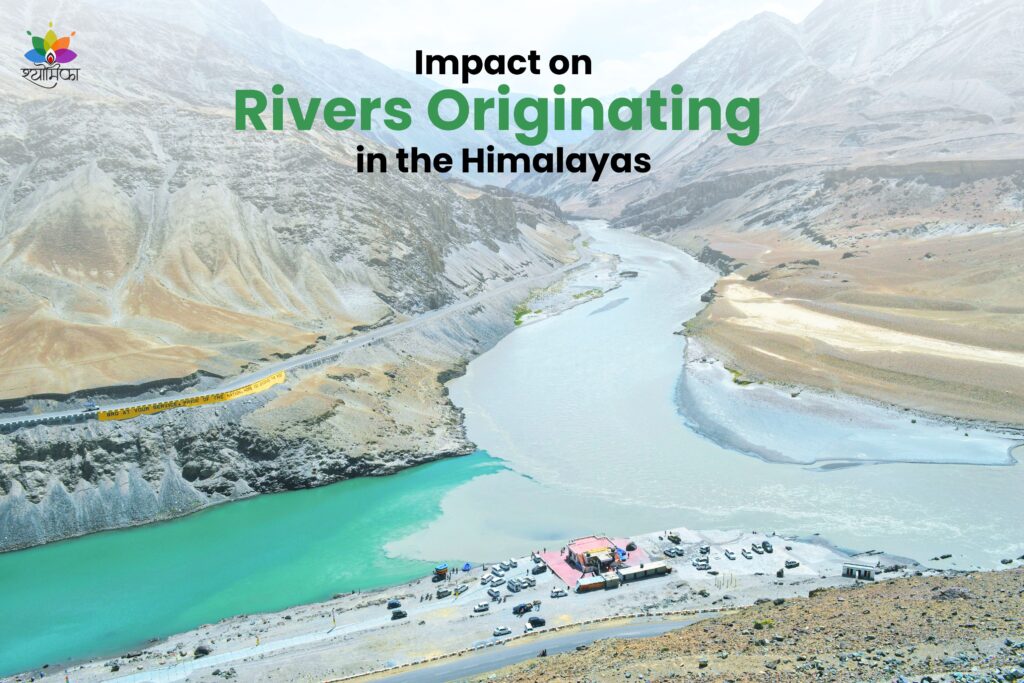
Impact on Rivers Originating in the Himalayas
Threats to Major Asian Rivers
Rivers such as the Ganga, Indus, and Brahmaputra depend on Himalayan ice. Reduced glacial input threatens water security across multiple countries.
Declining Agricultural Productivity
Erratic water supply affects irrigation, crop yields, and food security for millions.
Hydropower Challenges
Fluctuating river flows disrupt hydropower generation, impacting energy reliability.
Ecological Consequences of Climate Change in the Himalayas
Loss of Biodiversity
Rising temperatures force plant and animal species to migrate upward, shrinking habitable zones and increasing extinction risks.
Forest Degradation
Changing rainfall patterns weaken forests, making them more vulnerable to pests, fires, and disease.
Fragile Alpine Ecosystems Under Stress
High-altitude ecosystems are extremely sensitive, making them early victims of the climate change impact on the Himalayas.
Human Impact—Communities at the Frontline
Water Scarcity in Mountain Villages
Many Himalayan villages already face seasonal water shortages due to drying springs and streams.
Livelihoods at Risk
Farming, pastoralism, and tourism depend on predictable climate conditions, which are rapidly disappearing.
Increased Migration
As resources decline, families are forced to migrate, disrupting social and cultural structures.
Ice Drought and Food Security
Reduced Crop Yields
Inconsistent water availability affects both subsistence and commercial farming.
Changing Cropping Patterns
Farmers must adapt to shorter growing seasons and unpredictable weather.
Long-Term Hunger Risks
Ice droughts compound food insecurity, particularly in remote regions.
Why the Climate Change Impact on the Himalayas Matters Globally
Climate Feedback Loops
Loss of ice reduces the Earth’s ability to reflect heat, accelerating global warming.
Downstream Consequences
Changes in Himalayan water systems affect millions far beyond mountain regions.
A Global Warning System
What happens in the Himalayas signals future climate risks worldwide.
Adaptation and Mitigation Efforts in the Himalayas
Community-Led Water Conservation
Traditional water-harvesting techniques are being revived to combat ice droughts.
Sustainable Land Use Practices
Agroforestry and soil conservation help build climate resilience.
Role of Civil Society Organizations
Groups like Shyomika Foundation support education, research, and grassroots action to address the climate change impact on the Himalayas.
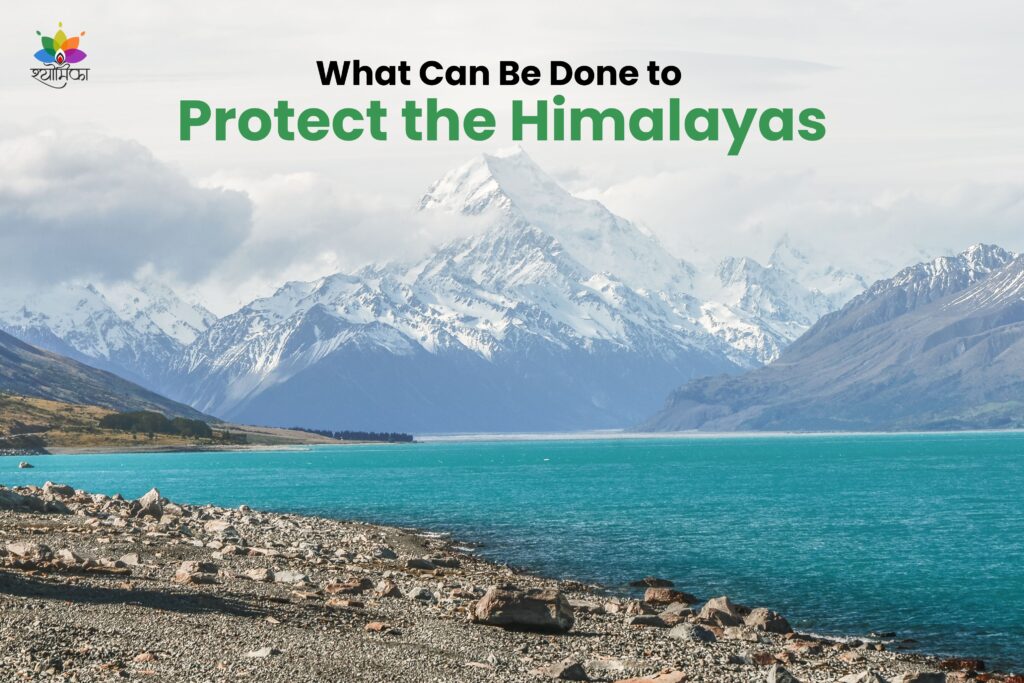
What Can Be Done to Protect the Himalayas?
Reducing Global Carbon Emissions
Climate action at the global level is essential to slow glacial loss.
Supporting Local Adaptation
Empowering mountain communities strengthens resilience.
Raising Awareness and Education
Understanding the issue is the first step toward meaningful action.
Frequently Asked Questions (FAQs)
1.What is the climate change impact on the Himalayas?
It includes glacier melting, ice droughts, water scarcity, biodiversity loss, and increased natural disasters.
2. What is an ice drought?
An ice drought occurs when reduced snowfall and melting glaciers fail to provide enough water throughout the year.
3. Are Himalayan glaciers disappearing?
Yes, many glaciers are retreating rapidly due to rising temperatures.
4. How does this affect people outside the Himalayas?
Millions downstream depend on Himalayan rivers for water, food, and energy
5. Can the damage be reversed?
While some changes are irreversible, strong climate action can slow further damage.
6. How can individuals help?
By reducing carbon footprints, supporting conservation efforts, and spreading awareness.
Conclusion:
The climate change impact on the Himalayas is no longer a distant threat—it is a present reality. Ice droughts, shrinking glaciers, and fragile ecosystems signal a crisis that affects the entire planet.
Protecting the Himalayas requires global responsibility and local action. By supporting research, community resilience, and environmental education through organizations like Shyomika Foundation, we take meaningful steps toward safeguarding one of Earth’s most vital regions.