
Rivers originating in the Himalayas are far more than natural water sources. They are sacred lifelines that sustain ecosystems, cultures and livelihoods across India. For centuries, these rivers have been worshipped, protected and woven into spiritual practices that emphasized harmony between humans and nature. Today, however, rapid environmental change threatens this balance.
The responsibility of protecting sacred rivers in the Himalayas has never been more urgent. Pollution, climate change and unregulated development have placed immense pressure on these fragile river systems. In response, youth movements and community-led initiatives are emerging as powerful forces for conservation, blending tradition with modern environmental action.
Protecting Sacred Rivers in the Himalayas: A Cultural and Environmental Responsibility
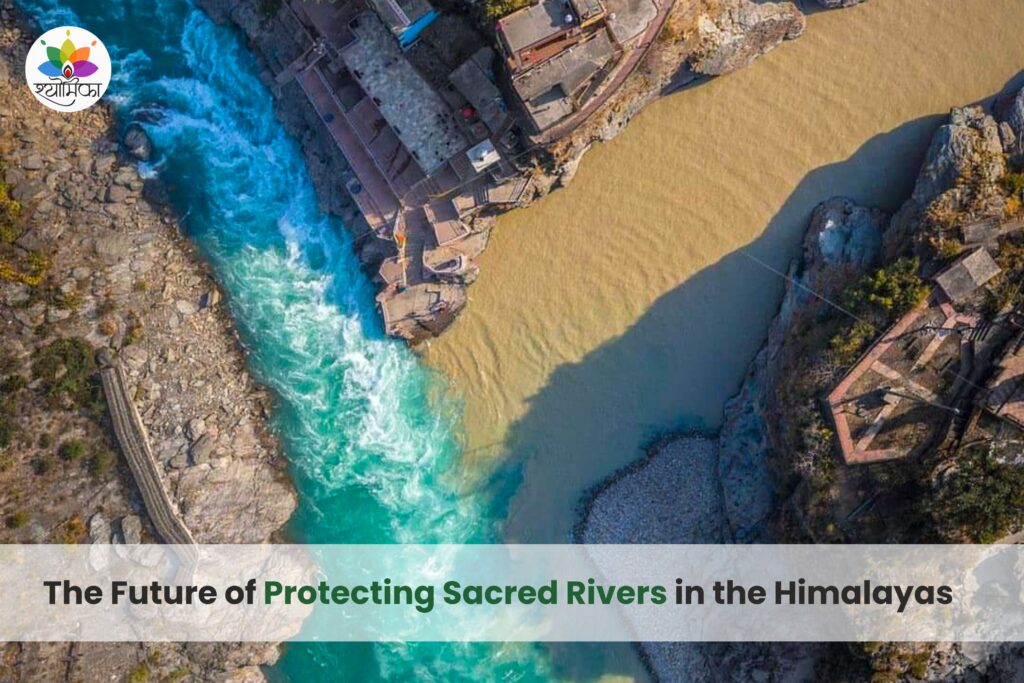
Rivers flowing from the Himalayas represent a living heritage.
Sacred Rivers as Living Symbols
The sacred rivers of India are revered as spiritual entities rather than resources to be exploited. Rituals, festivals and daily practices reinforce respect for water as a life-giving force. Historically, this reverence helped preserve river ecosystems through mindful usage and restraint.
As modern pressures increase, maintaining this cultural connection becomes essential to protecting both ecological balance and spiritual traditions.
Why Sacred River Conservation Matters Today
The challenges facing Himalayan rivers have intensified.
Modern Threats to River Health
Urban waste, industrial discharge, plastic pollution and expanding tourism have severely impacted water quality. Climate change accelerates glacier melt and alters river flow patterns, increasing the risk of floods and water scarcity. These realities make sacred river conservation critical not only for cultural reasons but also for environmental stability and public health.
Protecting rivers today means safeguarding future access to clean water and resilient ecosystems.
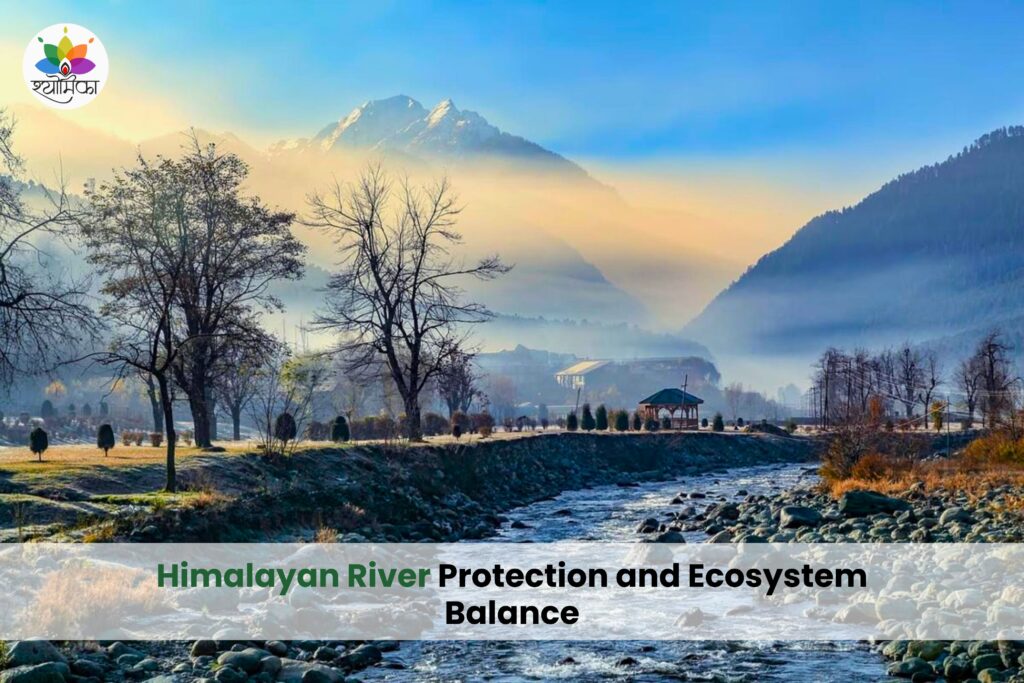
Himalayan River Protection and Ecosystem Balance
Rivers are central to the Himalayan ecological system.
Rivers as Ecological Lifelines
Healthy rivers sustain forests, agriculture, wildlife and human settlements. Himalayan river protection helps regulate climate, prevent soil erosion and support biodiversity. When rivers degrade, the consequences extend far beyond water scarcity, affecting food security and disaster vulnerability.
Preserving rivers ensures the health of the entire Himalayan ecosystem.
Community Action for River Conservation
Local communities are the first guardians of rivers.
Grassroots Stewardship and Traditional Knowledge
Communities living along riverbanks possess generations of ecological knowledge. Through clean-up drives, sustainable water use and monitoring of pollution, community action for river conservation has proven both effective and enduring.
When conservation is community-led, it becomes culturally rooted and self-sustaining rather than externally imposed.
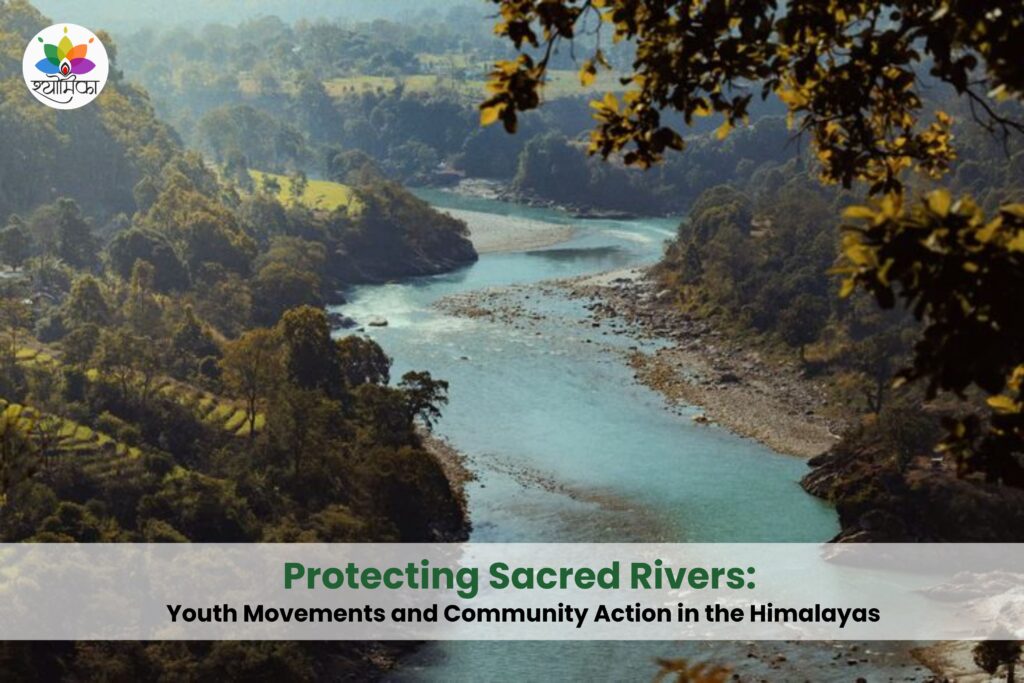
Why Protecting Sacred Rivers in the Himalayas Requires Community and Youth Action
The scale of the challenge demands collective responsibility.
Shared Ownership of Conservation
The mission of protecting sacred rivers in the Himalayas cannot be achieved by policy alone. Youth energy combined with community wisdom creates momentum that drives lasting change. Collaboration ensures conservation efforts are both inclusive and adaptable. When people feel ownership over rivers, protection becomes a shared moral duty.
The Role of Youth Led Environmental Movements
Young people are shaping the future of conservation.
Youth as Catalysts for Change
Across the Himalayan region, students and young volunteers are organizing awareness campaigns, educational workshops and clean-up initiatives. These youth led environmental movements bring innovation, digital outreach and renewed urgency to conservation efforts.
Youth involvement ensures continuity, keeping river protection relevant for future generations.
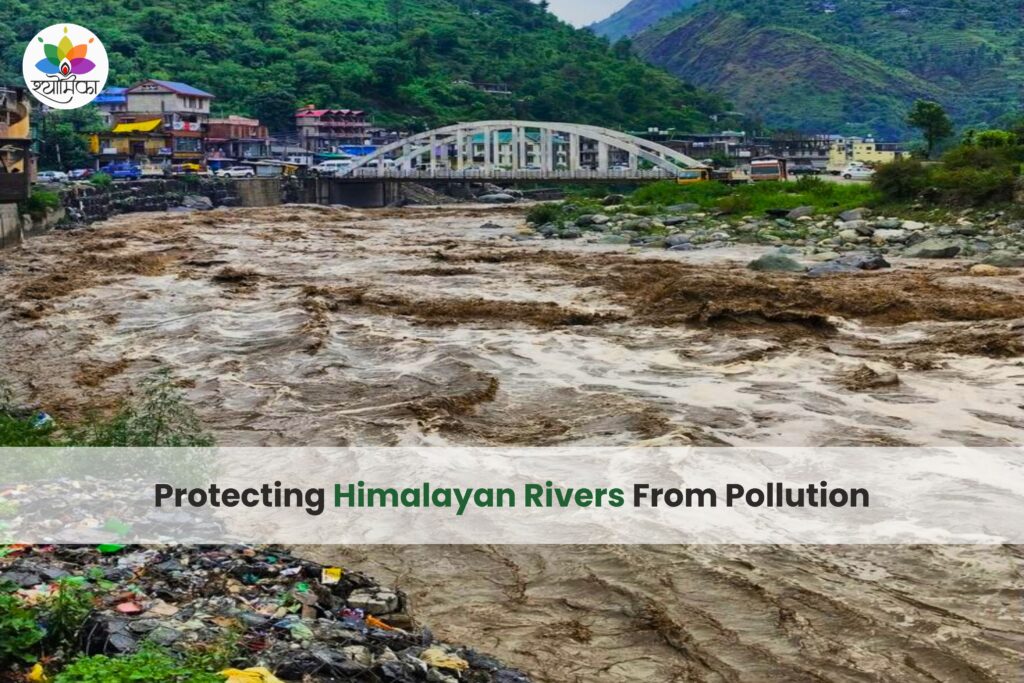
Protecting Himalayan Rivers From Pollution
Pollution remains one of the most visible threats to river health.
Reducing Pollution at Its Source
Plastic waste, untreated sewage and chemical runoff contaminate water and endanger aquatic life. Protecting Himalayan rivers from pollution requires responsible tourism, waste management and behavioral change at the community level.
Youth and community groups often lead clean-up drives and awareness campaigns that inspire accountability and visible impact.
River Ecosystem Conservation as a Holistic Approach
Effective river protection goes beyond water quality.
Looking Beyond the Riverbanks
River ecosystem conservation recognizes the importance of forests, wetlands and surrounding landscapes. Protecting catchment areas, preventing deforestation and maintaining natural flow patterns strengthen river resilience.
A holistic approach ensures rivers can adapt to environmental pressures and climate change.
Sacred Rivers of India and Intergenerational Responsibility
River protection is a shared legacy.
Blending Tradition With Modern Conservation
The sacred rivers of India connect generations through shared values. Elders pass down cultural respect for rivers, while youth translate those values into modern environmental action. This intergenerational partnership strengthens conservation efforts and preserves identity.
The Role of Organizations in Supporting River Protection
Organized efforts amplify local action.
Enabling Sustainable Conservation
Organizations like Shyomika Foundation support communities and youth by providing education, resources, and platforms for collaboration. Such support helps transform local initiatives into sustainable, long-term movements.
NGOs act as bridges between awareness, action and policy advocacy.
The Future of Protecting Sacred Rivers in the Himalayas
Hope lies in collective commitment.
A Vision for Sustainable River Stewardship
The future of protecting sacred rivers in the Himalayas depends on sustained collaboration between youth movements, communities and institutions. When cultural values align with environmental science, rivers can be restored and protected for generations to come.
Frequently Asked Questions (FAQs)
Q1. Why are Himalayan rivers considered sacred?
They hold deep spiritual, cultural, and historical significance and are central to many traditions in India.
Q2. How do youth contribute to river conservation?
Youth lead awareness programs, clean-up drives and advocacy initiatives.
Q3. What role do communities play in river protection?
Communities use traditional knowledge and collective action to manage resources sustainably.
Q4. Why is pollution a major concern for rivers?
Pollution harms ecosystems, public health and the cultural value of rivers.
Q5. How does ecosystem conservation support river health?
It protects forests, biodiversity and natural water flow systems.
Q6. How can individuals support river conservation?
By reducing waste, supporting local initiatives and practicing responsible tourism.
Conclusion
Protecting rivers is both an environmental and moral responsibility. The Himalayas remind us that rivers are living systems deserving care, respect and collective stewardship. Through youth movements, community action and organizational support, meaningful progress is already underway.
The journey of protecting sacred rivers in the Himalayas demonstrates the power of collaboration rooted in tradition and driven by hope. With continued commitment from communities, young leaders and organizations like Shyomika Foundation, these sacred rivers can continue to nourish life, culture and spirit for generations to come.
